
Washington, D.C. was shaken after two National Guard soldiers were shot just a few blocks from the White House. The suspect, identified by law enforcement sources as 29-year-old Afghan national Rahmanullah Lakanwal, is now at the center of a case drawing national attention, political reaction, and questions about refugee vetting.
The two service members, from the West Virginia National Guard, remain in critical condition, according to the FBI. As of the most recent updates, authorities have not publicly released their names.
Lakanwal was also shot during the incident and taken into custody with injuries described as serious but not life-threatening. Much of the investigation remains ongoing, and many details about his alleged motive and background are still developing.
Background Of The Suspect
According to reporting cited by FOX News and other outlets, Lakanwal entered the United States legally in 2021 as part of Operation Allies Welcome. This program was created in the aftermath of the U.S. military withdrawal from Afghanistan to help evacuate and resettle Afghans who worked with or alongside American forces and agencies.
Officials say he arrived in the U.S. in September 2021. At that time, thousands of Afghan nationals were being processed through military bases and relocation centers before being placed in communities across the country. Specific details about where Lakanwal lived after his arrival and what he did for work have not yet been fully released to the public.
Authorities have stressed that the investigation is still in its early stages. They are working to piece together his movements, associates, and any possible warning signs leading up to the shooting.
The Shooting Near The White House
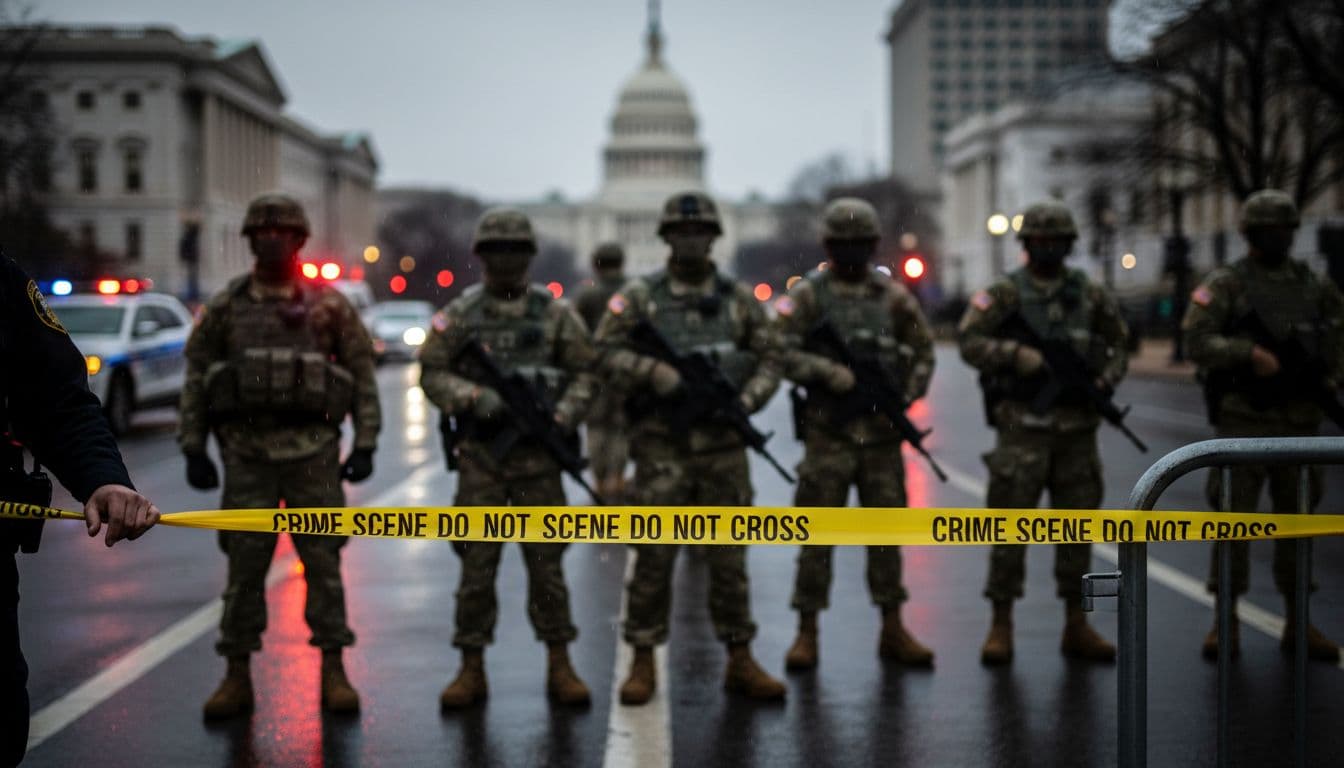
The attack took place in downtown Washington, D.C., only a few blocks from the White House. Two National Guard soldiers who were part of a joint security mission in the city were shot and critically wounded.
Law enforcement officials have shared only limited information about how the confrontation began. Public statements so far have focused on the condition of the injured soldiers, the medical response, and the arrest of the suspect. Officials have not released the exact sequence of events that led up to the shooting or detailed any charges that may be filed.
Witnesses reported a heavy presence of police and National Guard personnel in the area following the shooting, along with road closures and an active crime scene. Investigators from local and federal agencies quickly arrived to secure evidence and interview anyone who may have seen what happened.
Response From Federal Authorities
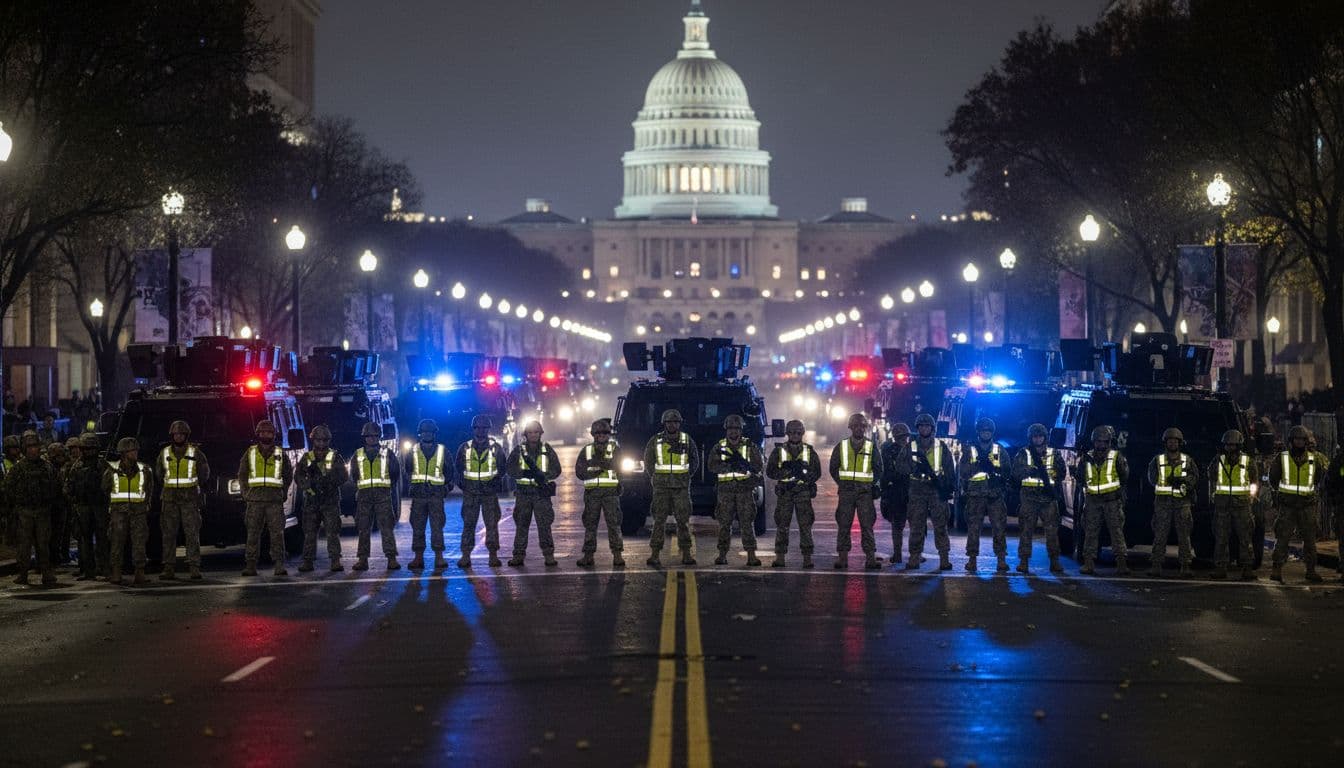
The shooting triggered a rapid response from military and federal leaders in Washington. After the attack, the administration ordered an additional 500 National Guard troops to the city. Defense officials said these extra forces were sent at the direction of President Donald Trump, who sought to strengthen security in the nation’s capital following the incident.
According to government updates, nearly 2,200 troops are now assigned to the joint task force operating in Washington, D.C. Their mission includes crowd management, protection of key federal sites, and support for local law enforcement.
View full-size image
President Trump’s Video Statement
Hours after the shooting, President Trump released a video message addressing the attack and the suspect’s reported immigration history. In his remarks, he called for a new review of Afghan refugees who entered the country under the Biden administration.
Trump argued that the government should re-examine individuals who arrived through programs like Operation Allies Welcome and consider removing any person who, in his view, does not “belong here” or “add benefit” to the United States.
He also framed the response as part of a broader effort to protect public safety and maintain order, stating that the country would not “bend” in the face of violence or threats.
Trump’s comments quickly became part of a wider political debate about immigration, refugee vetting, and how to balance humanitarian programs with national security concerns.
Homeland Security’s Reaction
The Department of Homeland Security (DHS) also issued a strong statement after the suspect was identified as an Afghan national who came to the U.S. under Operation Allies Welcome.
The statement described the attack as a “depraved” act against uniformed service members who were carrying out laws that have been on the books for decades. DHS officials emphasized their support for the National Guard and urged critics of law enforcement and immigration officers to reconsider their rhetoric.
The department noted that the vast majority of men and women in uniform are ordinary Americans, with families and communities, whose work often puts them in harm’s way. DHS leaders said they would be praying for the two wounded Guardsmen and their loved ones.
View full-size image
Questions About Vetting And Security
The case has renewed public debate over how refugees and parolees are screened before entering the United States. Operation Allies Welcome involved fast-moving evacuations from Afghanistan in 2021, which raised concerns at the time about how quickly background checks could be completed.
Supporters of the program argue that many Afghans who came through it risked their lives to help U.S. troops, diplomats, and aid workers. Critics, however, say the process may have moved too quickly and that more in-depth checks should have been done before entries were approved.
At this stage, officials have not released detailed information about the specific vetting steps used in Lakanwal’s case or whether any red flags were missed. Investigators are expected to review that history as part of the broader inquiry.
The Condition Of The National Guard Soldiers
The two West Virginia National Guard members remain in critical condition. Officials have asked for privacy for their families and have not provided their identities to the public.
Medical teams are working to stabilize both soldiers, and fellow service members have expressed support and concern as they await further updates. Many local residents and people across the country have shared messages of sympathy and prayers on social media.
The shooting has highlighted the risks that National Guard members and law enforcement officers face while performing duties in what might appear to be routine security posts or patrols in major cities.
Presumption Of Innocence And Ongoing Investigation
While law enforcement officials have identified Rahmanullah Lakanwal as the suspect in the shooting, it is important to note that he has not been convicted in court at this time. Under U.S. law, he is presumed innocent until proven guilty.
Prosecutors will need to present evidence, and any trial process will give the defense an opportunity to respond, challenge the claims, and present its own version of events. Until then, many details about what happened and why remain unconfirmed.
Authorities are expected to release more information as the investigation develops, including possible charges, court dates, and updates on the condition of the National Guard soldiers.
What Happens Next?
In the coming days, several key questions are likely to be at the center of public attention:
- What was the motive behind the shooting?
- What did investigators find in the suspect’s background and digital activity?
- How will this case influence future refugee and parole programs, if at all?
- What long-term support will be available for the injured soldiers and their families?
For now, Washington, D.C., remains under heightened security, and national debate continues over immigration policy, public safety, and the responsibilities of government leaders when tragedies like this occur.
As more verified information becomes available from law enforcement and official sources, this story will continue to be updated.
To contact us click Here .