
Flights in and out of Denver International Airport faced big delays on Friday after an equipment outage at a Federal Aviation Administration (FAA) facility. The problem affected how air traffic controllers manage incoming planes, which slowed the entire system and created a ripple effect for travelers.
According to an FAA advisory, flights arriving into Denver were delayed an average of 38 minutes. Some delays stretched to more than an hour and a half as the issue continued through the afternoon and early evening.
What Happened at the FAA Facility?
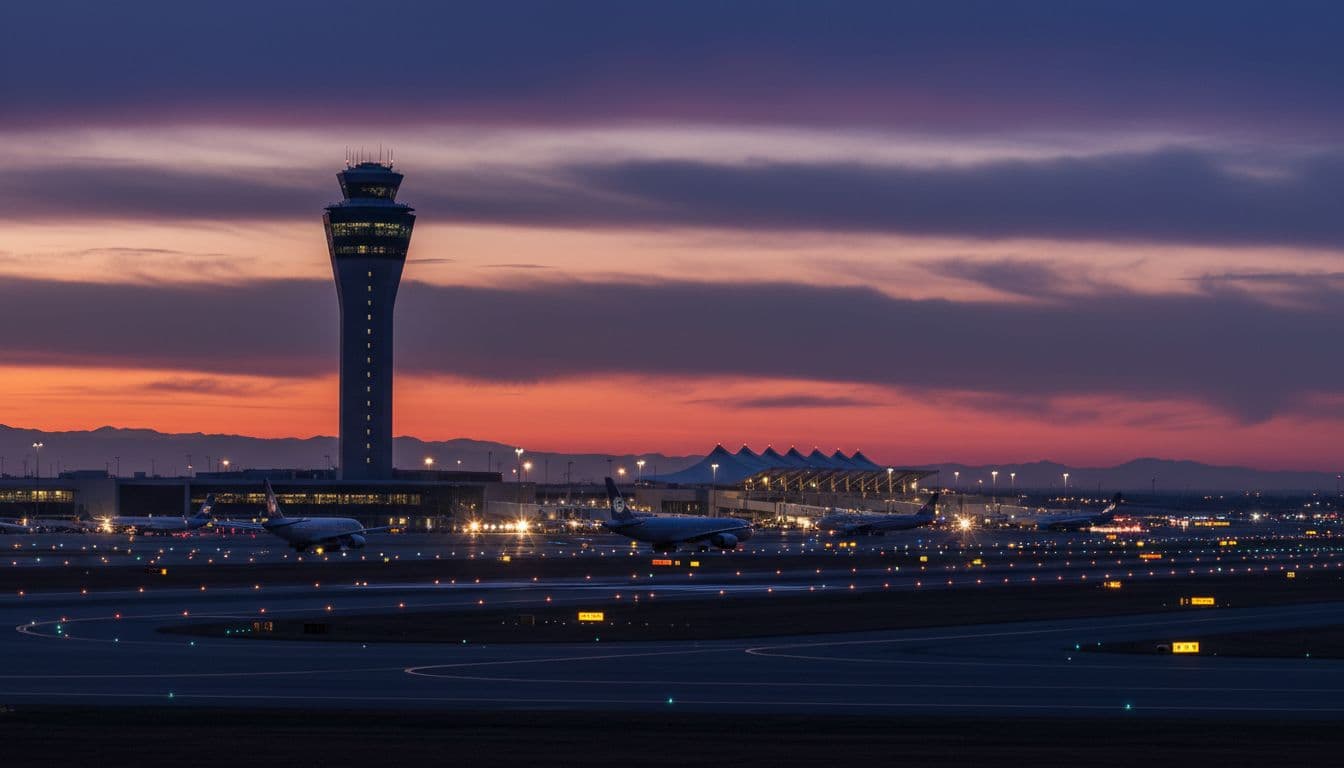
The problem started at the Denver Terminal Radar Approach Control facility, often called TRACON. This facility helps guide planes as they approach and depart from the airport. Normally, controllers use automated systems to pass flights from one sector to another as aircraft move through the airspace.
On Friday, that equipment failed. Because of the outage, controllers had to manually pass along information about each flight to the next controller. This extra step slowed the process and reduced the number of planes that could safely move through the system at one time.
Ian Gregor, a spokesperson for the FAA, said the manual process was necessary while the equipment was offline. Safety always comes first in air traffic control, so when technology fails, capacity is often reduced to keep enough space between planes.
How Many Flights Were Affected?
By around 4:20 p.m., more than 190 arriving flights into Denver International Airport were delayed, based on data from flight tracking service FlightAware. That number only reflects arrivals, not departing planes that were also impacted.
When arrivals are slowed, departures are often pushed back as well. Gates stay full longer, crews must adjust schedules, and pilots sometimes need to wait for new departure times. The FAA warned that travelers could face delays for both arriving and departing flights while the traffic management program was in place.
The FAA issued a ground delay program at around 3:30 p.m. These programs are used when the number of planes trying to land at an airport is higher than what the system can safely handle at that moment. The advisory said the delay program was expected to remain in place until about 8 p.m.
What This Meant for Travelers
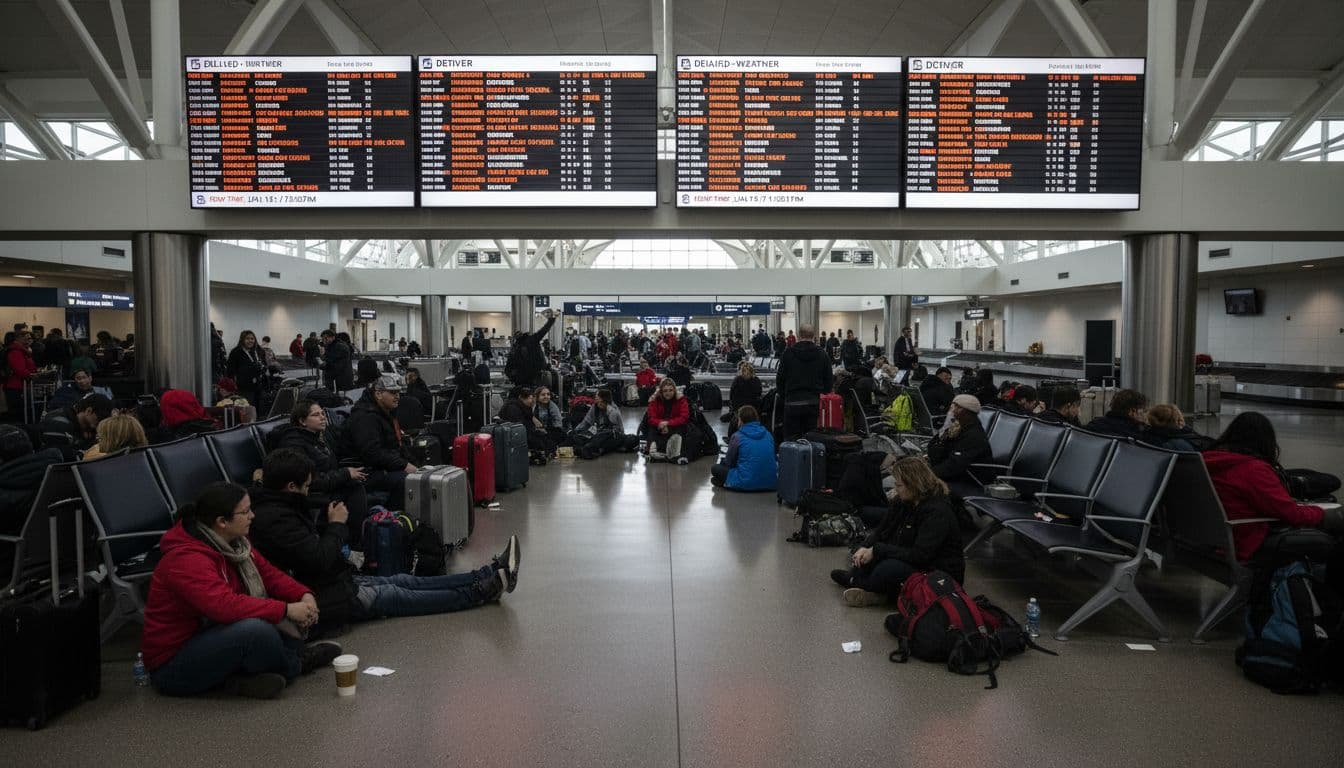
For passengers, the outage translated into a mix of longer waits at gates, missed connections, and schedule changes. An average delay of 38 minutes might not sound huge, but when hundreds of flights are affected, it creates a lot of stress for travelers and crews.
Some passengers likely saw their connecting flights leave without them, especially those with tight layovers. Airlines often need to rebook travelers, adjust crew shifts, and reshuffle aircraft when delays pile up this way.
The outage also likely affected airlines with a large presence at Denver International Airport, including United Airlines and Frontier Airlines, both of which operate many flights in and out of the terminal each day.
Why an FAA Outage Has Such a Big Impact
Modern air travel depends heavily on technology. Radar systems, communication tools, and coordination software keep planes moving smoothly and safely through busy airspace. When even one piece of that network fails, traffic often has to slow down.
In Denver, the affected facility helps manage aircraft as they enter and exit the local airspace, which is one of the busiest regions in the country. Controllers at this facility track many flights at once and coordinate with both the airport tower and other FAA centers.
When automation is not available, every step takes longer. Controllers must double check details, talk more over the radio, and manually confirm handoffs between sectors. All of this is done to maintain safety, but it leaves less room for a high volume of flights.
What Caused the Outage?
As of the time of the FAA advisory, it was still unclear what caused the equipment failure at the Denver Terminal Radar facility. The FAA did not immediately release further technical details about the outage.
Often, issues like this come from hardware problems, software glitches, or network failures. In many cases, backup systems are available, but they might not offer full capacity. That means even with backups, the flow of traffic may need to be slowed.
The FAA expected the ground delay program to be lifted by around 8 p.m., suggesting that technicians believed the issue could be resolved within a few hours. However, even after a system is restored, it can take time for airline schedules to recover and for traffic to return to normal levels.
What Travelers Should Do During Similar Disruptions
Events like this are a good reminder that air travel is vulnerable to problems that passengers cannot see. While you cannot control an FAA outage, you can take a few steps to make days like this easier to handle.
- Check your flight status often. Use your airline’s app or website to see real-time updates on delays and gate changes.
- Allow extra time for connections. When possible, book longer layovers, especially during busy travel seasons.
- Sign up for alerts. Turn on notifications so you get text or email updates the moment your flight status changes.
- Know your options. If your flight is heavily delayed or canceled, ask about rebooking, meal vouchers, or hotel assistance if you are stuck overnight.
- Keep essentials with you. Keep medication, chargers, and a change of clothes in your carry-on bag in case you are delayed away from your checked luggage.
Looking Ahead
While Friday’s outage was disruptive, events like this also show how the aviation system is built to keep safety first. Slowing traffic and adding delays is frustrating, but it is better than taking risks when key systems are not working.
The FAA will likely review what happened at the Denver facility and work to reduce the chances of a similar outage in the future. As air traffic grows, modernizing and maintaining these systems will remain a major priority for both regulators and airlines.
For travelers in and out of Denver International Airport, Friday was a difficult travel day. But once the equipment is fully restored and the traffic backlog clears, operations should return to normal, and most passengers will complete their trips, even if they arrived later than planned.
Source information based on public FAA advisories and reporting from local Colorado news outlets.
To contact us click Here .