
Flu activity is rising across the United States, and health officials say the peak may still be ahead as holiday travel and gatherings increase. According to reporting from ABC News, at least 1,900 deaths have been reported so far this season, along with more than 49,000 hospitalizations. Those numbers are a serious reminder that influenza is not “just a bad cold”, especially for older adults, young children, pregnant people, and anyone with certain health conditions.
This article breaks down what the current increase can mean for families, what symptoms to watch for, when to seek medical care, and the practical steps that can reduce your risk (at home, at work, and while traveling).
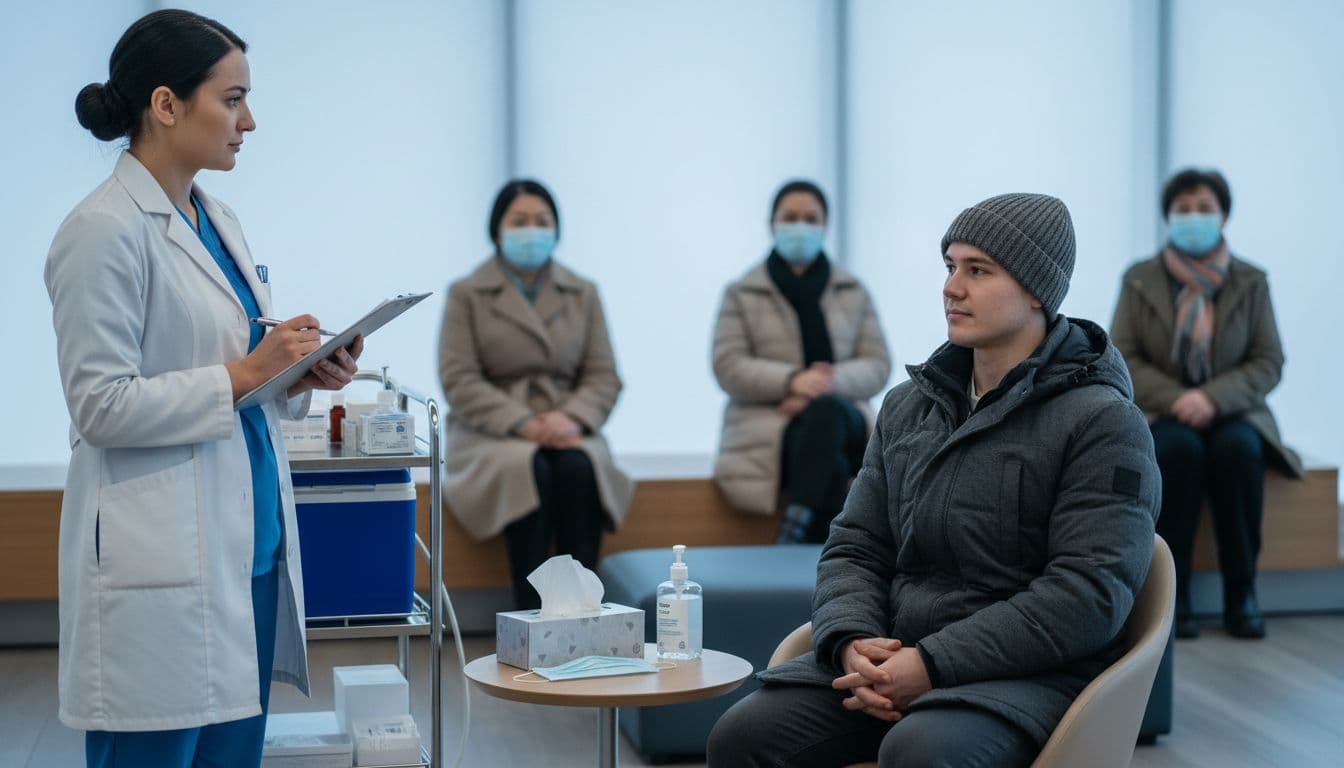
Why flu cases often rise around the holidays
Flu spreads mainly through respiratory droplets when someone coughs, sneezes, or talks. During the holidays, more people spend time indoors, travel through crowded airports, and gather in close contact with friends and relatives. That mix creates more chances for the virus to move from person to person.
It is also common for people to push through symptoms because they do not want to miss events. Unfortunately, that can spread illness quickly, especially in homes with kids, older relatives, or guests visiting from out of town.
Common flu symptoms (and how they differ from a cold)
Flu symptoms can come on fast. Many people describe feeling “hit by a truck” within a short time. A mild cold can feel annoying, but influenza often causes more intense body-wide symptoms.
- Fever (not always, but common)
- Chills
- Body aches and headache
- Fatigue that feels extreme
- Cough and sore throat
- Runny or stuffy nose
- In kids: vomiting or diarrhea can happen
If you are unsure whether it is flu, COVID-19, RSV, or another virus, a test can help. Treatment choices and isolation guidance may differ depending on what you have.
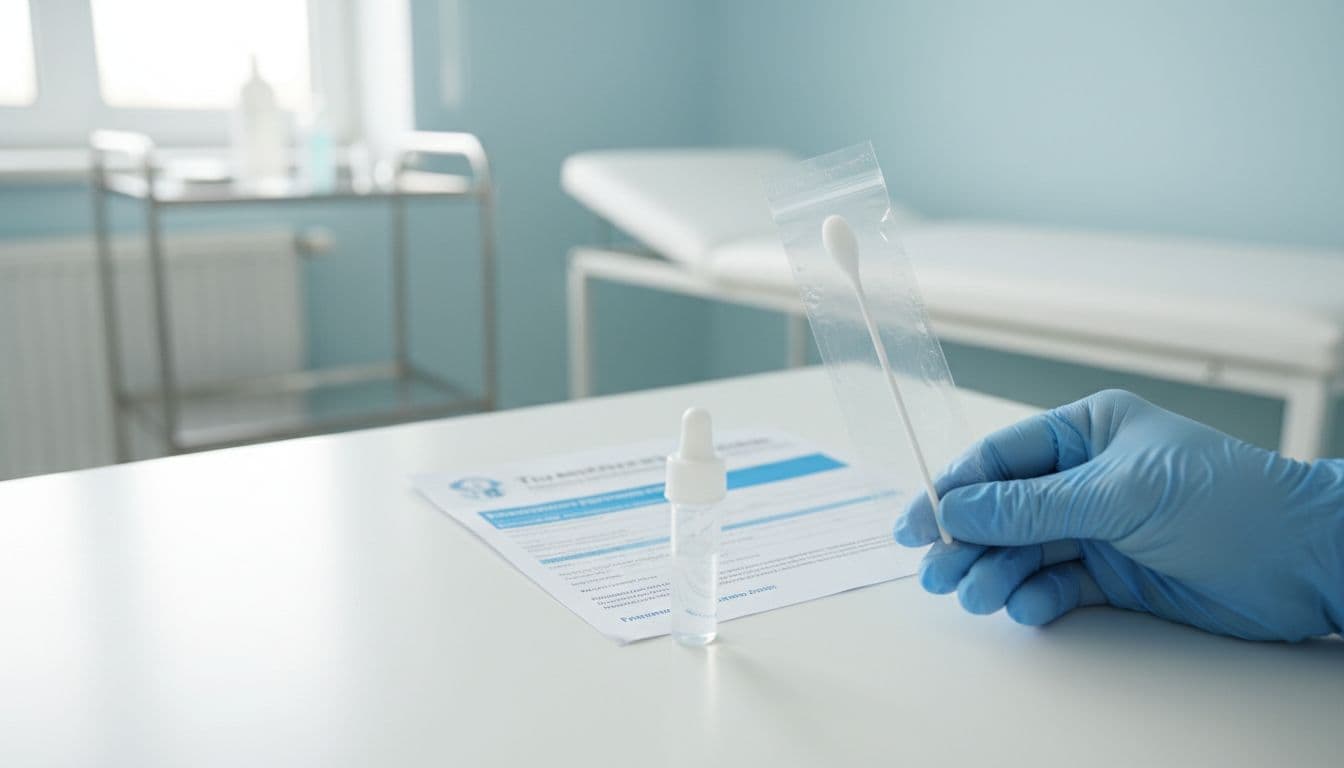
When to call a doctor (or seek urgent care)
Many people recover from flu at home, but complications can happen. If you or a family member is in a higher-risk group, it is worth calling a clinician early, especially if symptoms are getting worse. Antiviral medications may help most when started soon after symptoms begin.
Seek urgent medical care right away if you notice:
- Difficulty breathing or shortness of breath
- Chest pain or pressure
- Confusion, trouble staying awake, or bluish lips/face
- Severe dehydration (very little urination, dizziness, inability to keep fluids down)
- Symptoms that improve, then return with fever and worse cough
For infants, any breathing trouble, poor feeding, or unusual sleepiness should be taken seriously. If you are worried, trust your instincts and seek care.
How to lower your risk this week (simple steps that work)
No single step is perfect, but layering a few habits can reduce risk a lot.
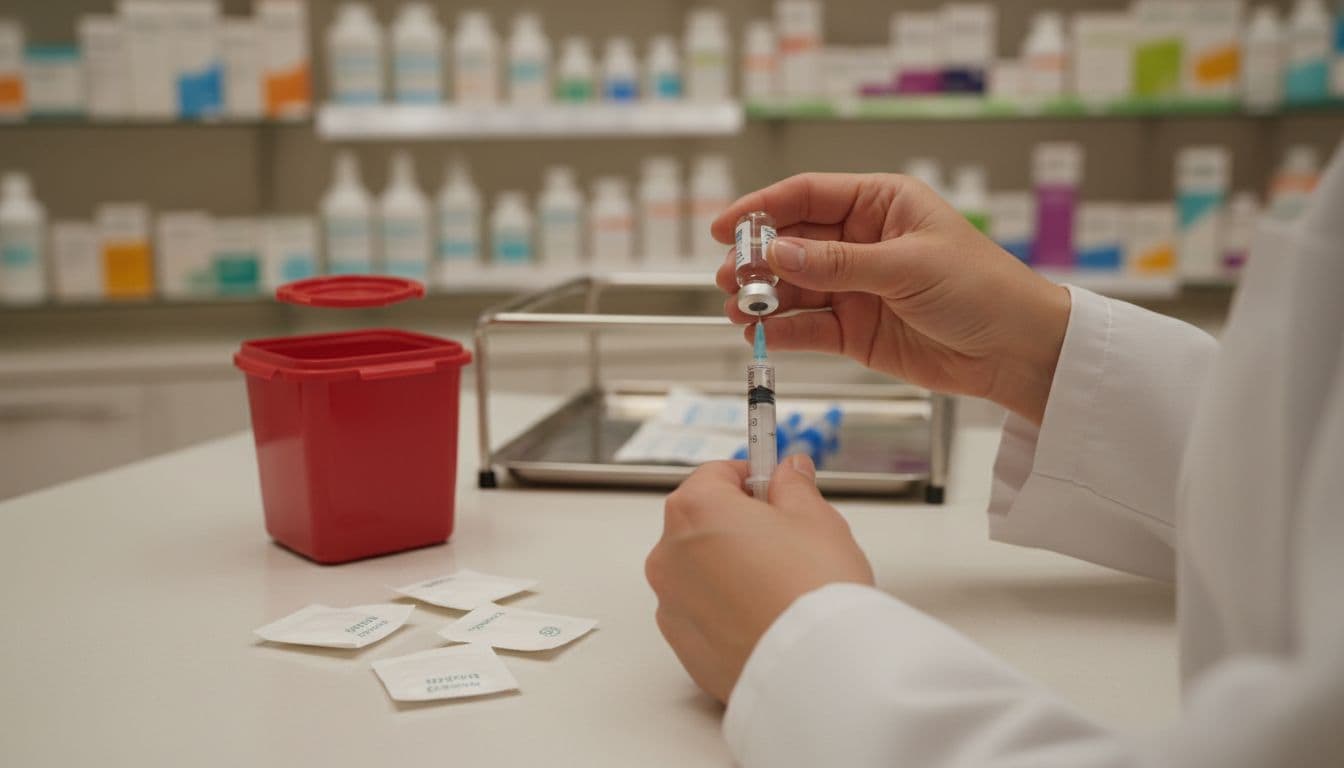
1) Get vaccinated (and do it as soon as you can)
The flu vaccine is updated to match circulating strains as closely as possible. It cannot guarantee you will not get sick, but it can reduce the odds of severe illness, hospitalization, and complications. If you have not gotten your flu shot yet, it is still worth getting, even later in the season.
2) Improve indoor air
If you are hosting, crack a window for a short time, run a fan if it is safe, and consider using a portable air purifier. Clean air helps in winter when everyone is indoors.
3) Wash hands, and avoid touching your face
Handwashing matters most before eating, after using the restroom, after blowing your nose, and after being in public spaces. Soap and water is great. Hand sanitizer is helpful when you are on the go.
4) Wear a mask in crowded indoor spaces if you are high-risk
In airports, public transit, crowded stores, and packed events, a well-fitting mask can reduce exposure. This can be especially helpful if you are traveling to see an older family member or someone with a weakened immune system.
If you get sick: a practical home care checklist
If symptoms start, focus on rest, fluids, and protecting others in your home. The goal is to recover and keep the virus from spreading.
- Stay home when possible, and avoid close contact with others.
- Hydrate often. Water, broth, and electrolyte drinks can help.
- Use fever reducers only as directed on the label (and ask a clinician if you have questions or medical conditions).
- Sleep as much as you can.
- Clean high-touch surfaces like doorknobs, remotes, and phones.
- Cover coughs and throw away tissues right away.
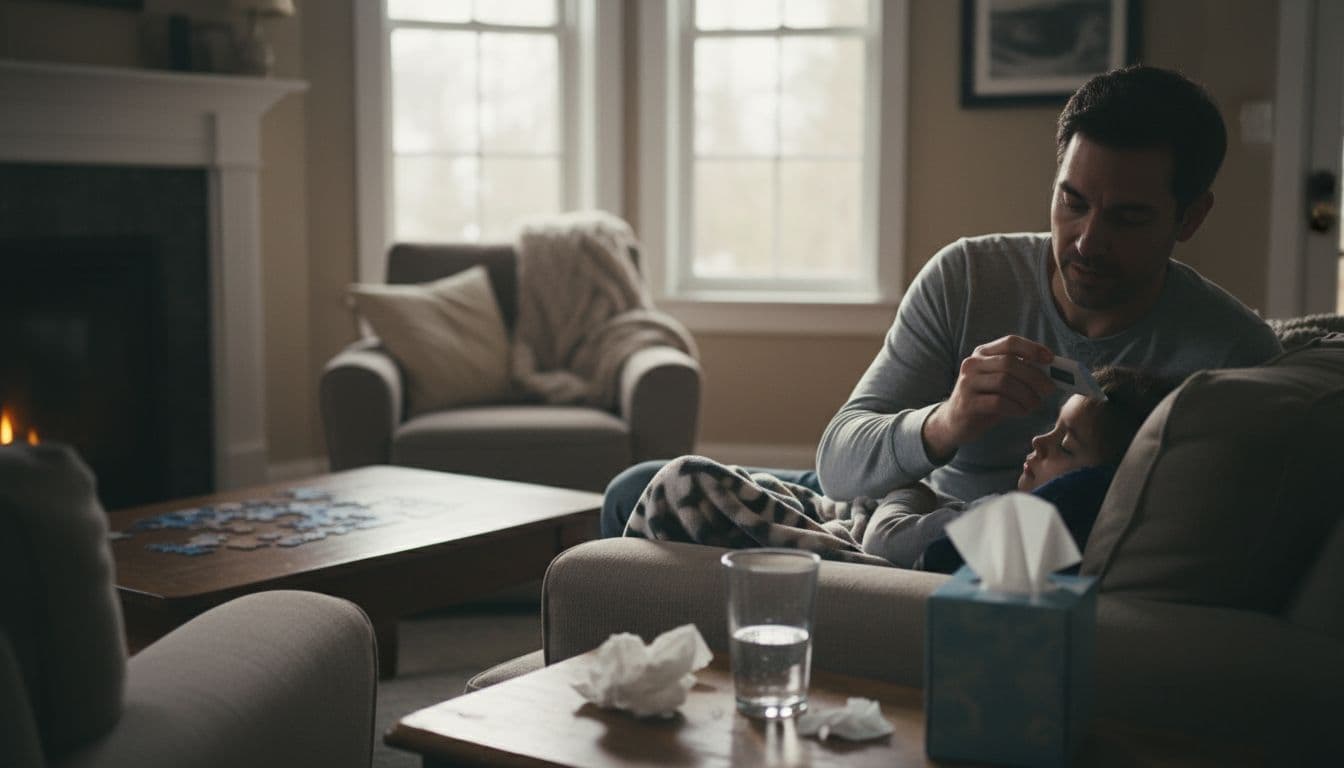
Travel tips: reduce risk without canceling your plans
If you have upcoming holiday travel, a little planning can make a big difference:
- Pack a small health kit: hand sanitizer, tissues, a thermometer, and any needed medicines.
- Choose timing wisely: if you can, travel during off-peak hours to avoid the biggest crowds.
- Protect the most vulnerable: if you will see older relatives or a newborn, consider masking in transit and skipping events if you are sick.
- Do not “tough it out”: traveling while ill can worsen symptoms and spreads flu to others.
With flu cases rising nationwide and thousands of serious outcomes already reported, it is a good time to take prevention seriously. A flu shot, cleaner indoor air, smart hygiene, and staying home when sick can protect you and the people around you, especially during a busy travel season.
Source: ABC News video report, “Flu cases on the rise across the country” (December 20, 2025), noting at least 1,900 deaths and more than 49,000 hospitalizations reported so far.
Medical note: This article is for general information and does not replace medical advice. If you have symptoms or concerns, contact a healthcare professional.
To contact us click Here .