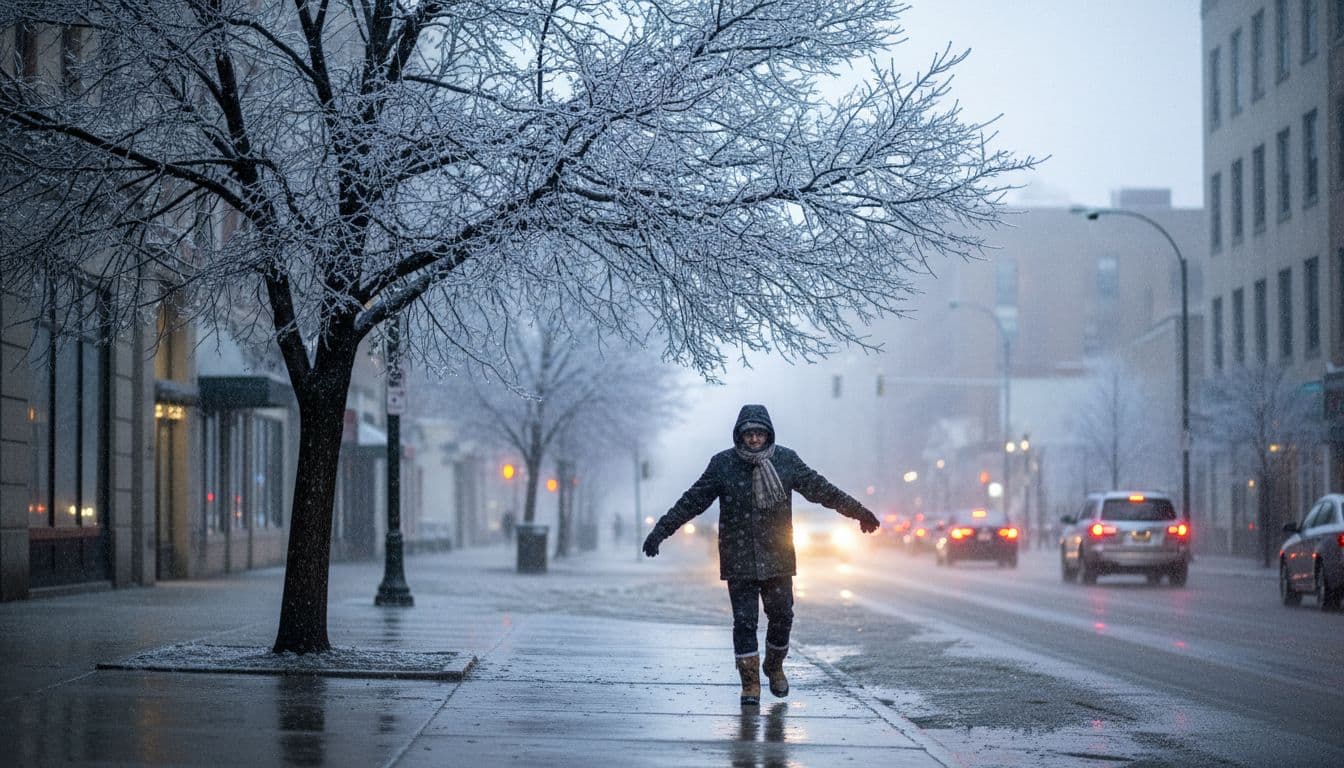
The day after Christmas is staying active in the weather department across parts of Pennsylvania, with a messy mix of precipitation expected. When temperatures hover near freezing, the type of precipitation you get can change fast, even from one town to the next. That is why winter “mix” days often cause the biggest travel problems.
Freezing rain is usually the main concern. It does not look dramatic while it falls, but it can create a thin, glassy coating of ice on roads, sidewalks, trees, and power lines. A small glaze can still lead to slips, crashes, and outages. If your area is under an Ice Storm Warning or Winter Weather Advisory, it is a good idea to plan for slow travel and possible disruptions.
This article is a rewritten summary based on a weather update published by WTAJ and distributed via Yahoo News. Source: Yahoo News (WTAJ).
Why the temperature “column” matters
On a snow day, the atmosphere is cold enough from the clouds to the ground for snowflakes to stay frozen. On a mixed-precipitation day, warmer air can slide in aloft while surface temperatures stay in the 20s or low 30s. That setup can change snow into sleet, or into rain that freezes on contact. Small temperature shifts (even 1 to 2 degrees) can change impacts a lot.
In the WTAJ update, surface temperatures across Pennsylvania were expected to sit in the 20s and 30s, with parts of central areas dealing with sleet and freezing rain. That combination is known for creating travel headaches into the afternoon and evening.
Quick guide: snow vs sleet vs freezing rain
If you are trying to figure out what is falling outside your window, these simple cues help.
- Snow: Soft flakes that stick to most surfaces. Roads turn white as snow builds.
- Sleet: Ice pellets that bounce and “ping” when they hit windows or the ground. It can look like little beads.
- Freezing rain: Liquid raindrops that freeze when they hit cold surfaces. This creates a smooth glaze of ice, especially on bridges, steps, and untreated roads.
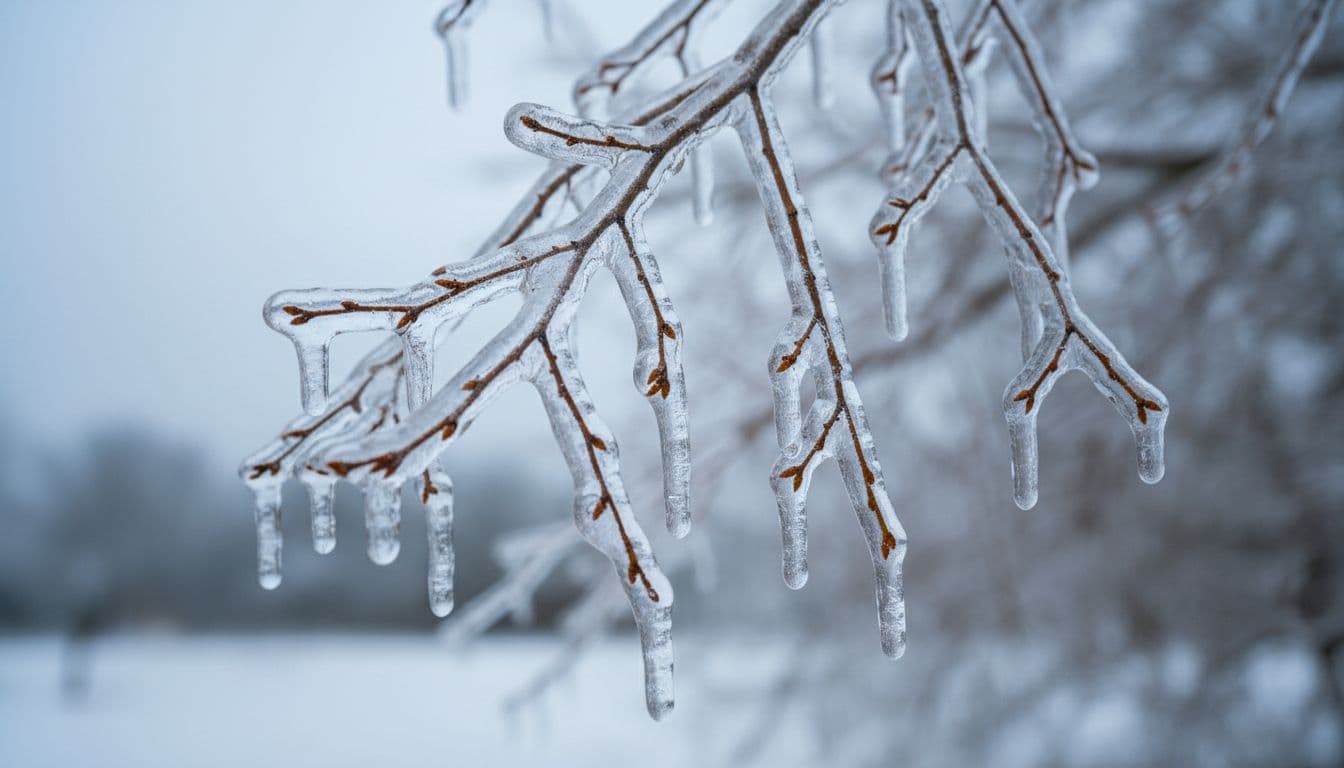
Ice can build quietly on trees and elevated surfaces, even when the ground does not look too bad yet.
When the worst impacts often happen
On many mixed-precipitation days, conditions get worse as the day goes on. Early precipitation can be light, then intensify later. Temperatures can also drop after sunset, which turns wet pavement into ice quickly. Even if roads look just “wet” in the afternoon, they can become slick in a short window during the evening commute.
In the WTAJ breakdown, action was expected to ramp up late morning into midday (roughly 10 a.m. to 12 p.m.), with areas along major corridors seeing precipitation first. As the afternoon progressed, more central areas were expected to see intensifying precipitation while cold air held in place near the surface. Some western areas were expected to be warm enough for plain rain, while central locations faced more freezing rain and sleet.
The key takeaway: the most dangerous travel window is often later in the day, when freezing rain or sleet is steady and road treatment struggles to keep up.
What freezing rain does to roads (and why it is so dangerous)
Freezing rain creates “black ice,” a thin, nearly invisible layer that reduces tire grip. Unlike snow, which you can usually see and judge, glaze ice can look like normal pavement. Bridges and overpasses freeze first because cold air surrounds them on all sides. Side roads can also become slick faster than highways, since they may be treated later or not at all.
If you have to drive, the safest move is to slow down early, keep space between vehicles, and avoid sudden braking. If you start to slide, ease off the gas and steer gently in the direction you want to go. Hard steering inputs can make a skid worse.
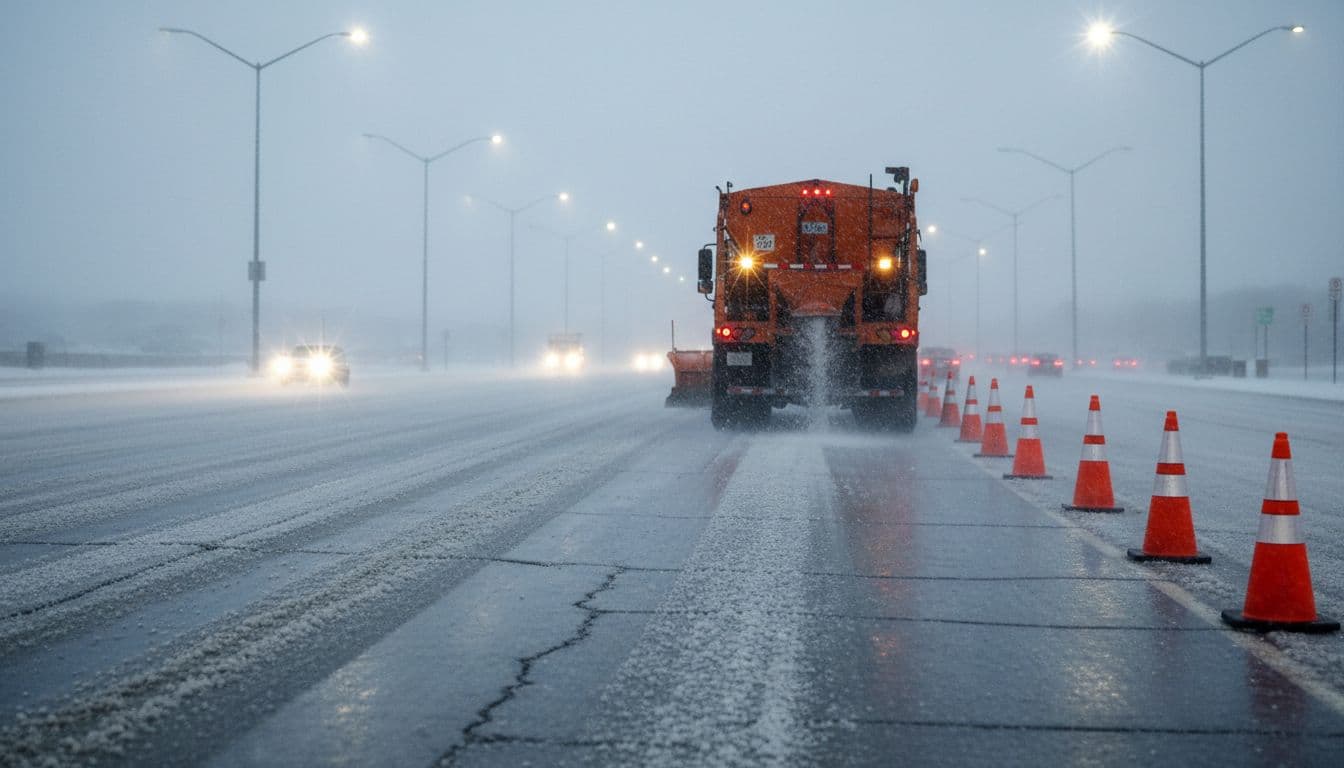
Road crews work hard during icing events, but glaze ice can develop faster than treatment can spread.
Power outages and tree damage: what to expect
Ice is heavy. A small coating on every branch adds up quickly, and that weight can snap limbs or pull down power lines. If winds pick up while ice is present, the risk rises even more. Even if your roads are manageable, outages can create a second wave of problems: no heat, no working traffic lights, and blocked roads from fallen branches.
Basic prep can make a big difference:
- Charge phones and battery packs before the worst weather arrives.
- Keep flashlights ready (avoid candles if possible).
- Have blankets and a way to stay warm if the power goes out.
- If you rely on medical devices, review your backup plan now.
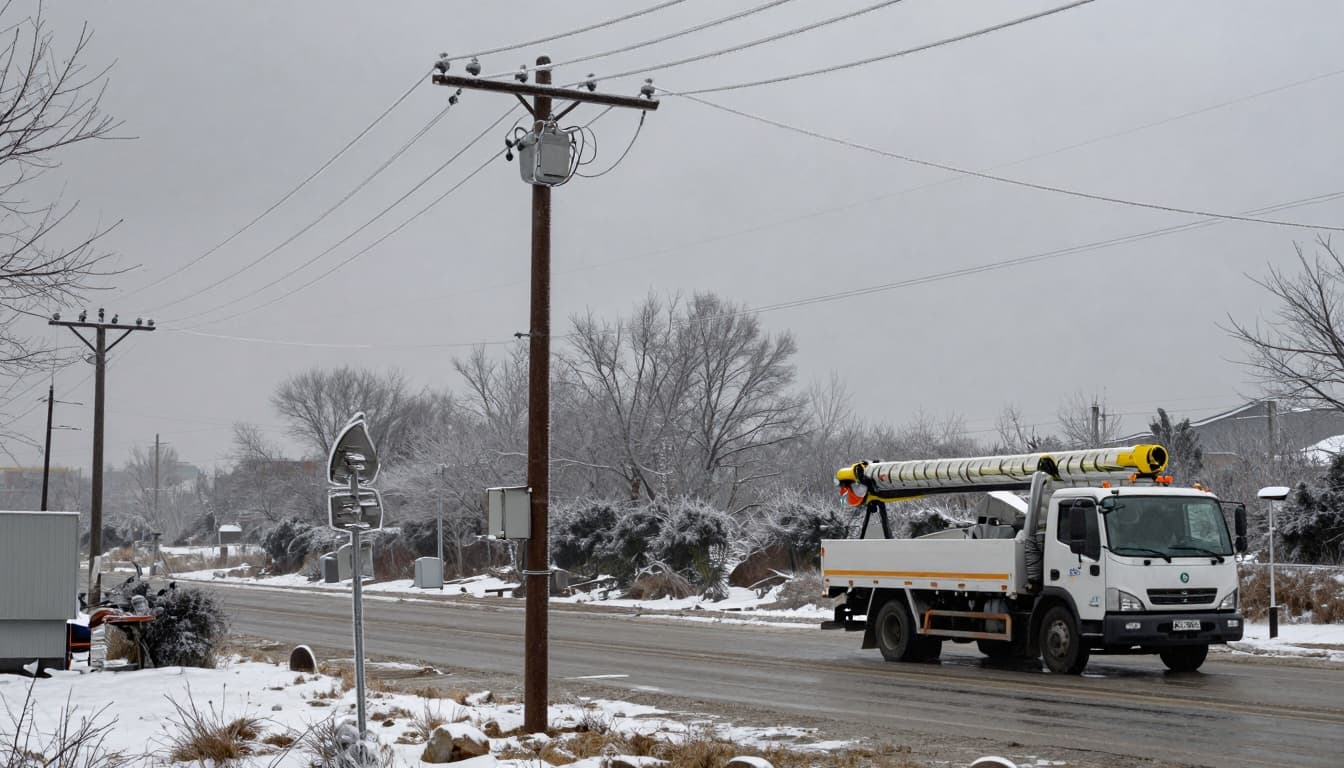
Ice accumulation can stress trees and power lines, increasing the risk of outages.
Smart travel tips for ice and mixed precipitation
If you can avoid driving during the most intense period, do it. If you cannot, keep it simple and plan like conditions will be worse than you think.
- Leave early: Rushing leads to hard braking and quick lane changes, which are risky on ice.
- Increase following distance: Stopping takes much longer on glaze ice.
- Avoid cruise control: You want full control if traction changes suddenly.
- Watch bridges and ramps: They freeze first and stay icy longer.
- Check local alerts: Ice Storm Warnings and advisories can change as temperatures shift.
Snow can be disruptive, but freezing rain is often the bigger problem because it turns normal surfaces into skating rinks. When temperatures sit in the 20s and 30s and warm air rides in overhead, a “mix” can set up fast. Expect the worst conditions during heavier precipitation and again after dark as surfaces refreeze.
Keep your plans flexible, take warnings seriously, and give yourself extra time. If officials suggest avoiding travel, it is usually because the risk of ice-related crashes climbs quickly once freezing rain takes over.
To contact us click Here .