

The Indian rupee has been under pressure for years, but many analysts now say it looks undervalued. That view is starting to catch the eye of global investors. When a currency trades below what many see as its fair value, it can create chances for long term investors who are willing to handle risk.
In this article, we will look at what undervaluation means, why the rupee is drawing interest from foreign funds, and what this could mean for Indian markets and for everyday investors.
What Does It Mean When a Currency Is Undervalued?
A currency is called undervalued when its exchange rate is weaker than what economic models or market experts think is fair. In simple terms, the currency buys less foreign money than it “should,” based on factors like inflation, growth, and trade.
There are many ways to estimate fair value. Some analysts use purchasing power parity, which compares prices of similar goods across countries. Others look at trade balances, interest rate gaps, and long term growth trends. No single method is perfect, but if different models all show a discount, investors pay attention.
Why Some Analysts See the Rupee as Undervalued
The rupee has faced stress from global events, high oil prices, and changes in US interest rates. Every time the dollar gets stronger, many emerging market currencies feel the hit, and the rupee is no exception.
Yet India’s economic story looks stronger than many peers. The country has posted solid growth, rising tax collections, and healthy corporate profits in several sectors. Foreign exchange reserves have stayed at comfortable levels, even after periods of outflows.

This mix creates an interesting gap. The currency looks weak, but the underlying economy looks fairly strong. That gap is what many call undervaluation, and it is what global funds try to use when they search for value.
How Undervaluation Can Attract Global Funds
Large global funds are always looking for two things. First, they want growth. Second, they want to enter at a good price. An undervalued currency can offer both, if the economy behind it stays on track.
Here are a few reasons why undervaluation can pull in foreign investors:
- Potential for currency gains: If the rupee later moves closer to its fair value, foreign investors can earn extra returns from currency appreciation on top of local market returns.
- Cheaper local assets in dollar terms: When the rupee is weak, Indian stocks and bonds look cheaper to investors who earn in dollars, euros, or yen.
- Diversification: Global funds want to spread risk across markets. India offers a mix of tech, finance, consumption, and infrastructure plays that can balance portfolios.
If enough large funds agree with the undervaluation story, they can send meaningful capital flows into Indian markets.
Where the Money Might Flow: Equities and Bonds
When foreign money moves into a country, it usually shows up in two key places. Public equities and government or corporate bonds.
Indian Equities
Global investors like India’s equity market because it offers exposure to long term themes. These include rising income, urban growth, digital payments, and manufacturing plans tied to “China plus one” strategies.
If foreign funds believe the rupee is undervalued but stable, they may feel more comfortable buying Indian stocks. A weak but steady currency is often easier to handle than a strong but unstable one.
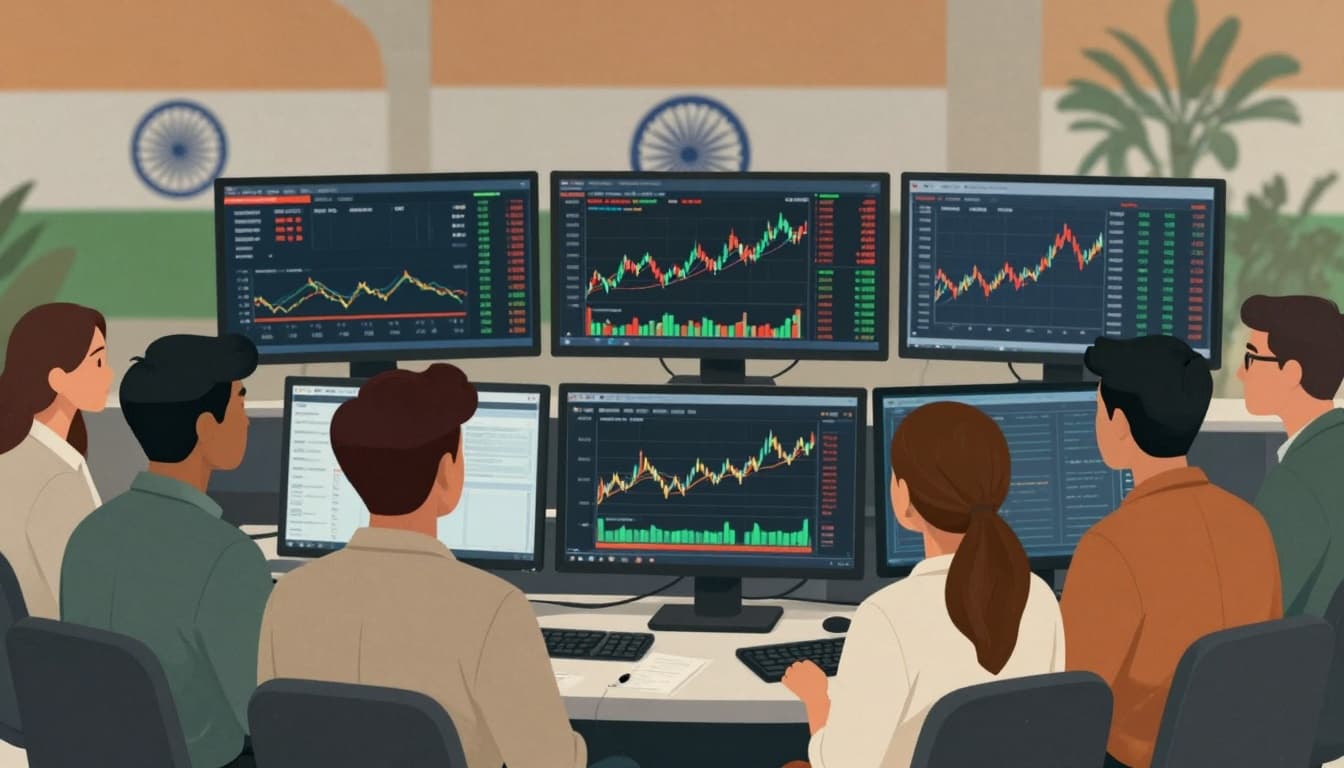
Indian Bonds
Bonds are another key area. If yields in India are higher than in developed markets, and if the currency is seen as undervalued but not in crisis, foreign investors might see a chance to earn more income with a cushion from possible currency gains later.
Recent steps to include some Indian bonds in global indexes also support inflows over time. Index inclusion forces large passive funds to buy, which can add steady demand.
Risks That Investors Are Watching
Of course, nothing is risk free. The same factors that pushed the rupee down in the past can return.
- Global interest rates: If US or European rates rise again, some money can leave emerging markets, and that may put fresh pressure on the rupee.
- Oil prices: India imports a large share of its energy. Higher oil prices can widen the trade deficit and weigh on the currency.
- Policy or political surprises: Any shock in policy, regulation, or politics can change how safe investors feel about holding rupee assets.
Because of these risks, many global funds move in stages. They may test the market first, then build positions slowly if conditions stay stable.
What This Means for Indian Investors
For investors in India, growing foreign interest can be a double edged sword. On the positive side, foreign inflows can support stock prices, deepen markets, and signal trust in India’s long term story.
On the negative side, foreign money can leave as fast as it comes in. If global conditions turn, sharp outflows can raise volatility in both equity and currency markets.
Indian investors can keep a few points in mind:
- Stay focused on long term goals rather than short term moves in the rupee.
- Use diversification across sectors and asset classes, instead of chasing hot foreign flow themes.
- Watch policy signals from the Reserve Bank of India and the government, since they can affect both currency and markets.
Looking Ahead
The idea that the rupee is undervalued will not last forever. Markets can shift, and new data can change views quickly. But right now, many global investors are rethinking their stance on India, and some see current rupee levels as an entry point rather than a warning sign.
If India keeps its growth momentum, manages inflation, and maintains its reform path, the case for more foreign capital could grow stronger. For now, the rupee’s perceived undervaluation is acting like a signal that tells global funds to take a closer look.
Anyone investing in this story, local or foreign, should remember that currencies move in cycles. Careful risk management, patient holding periods, and clear goals matter more than trying to guess every short term swing.
To contact us click Here .