

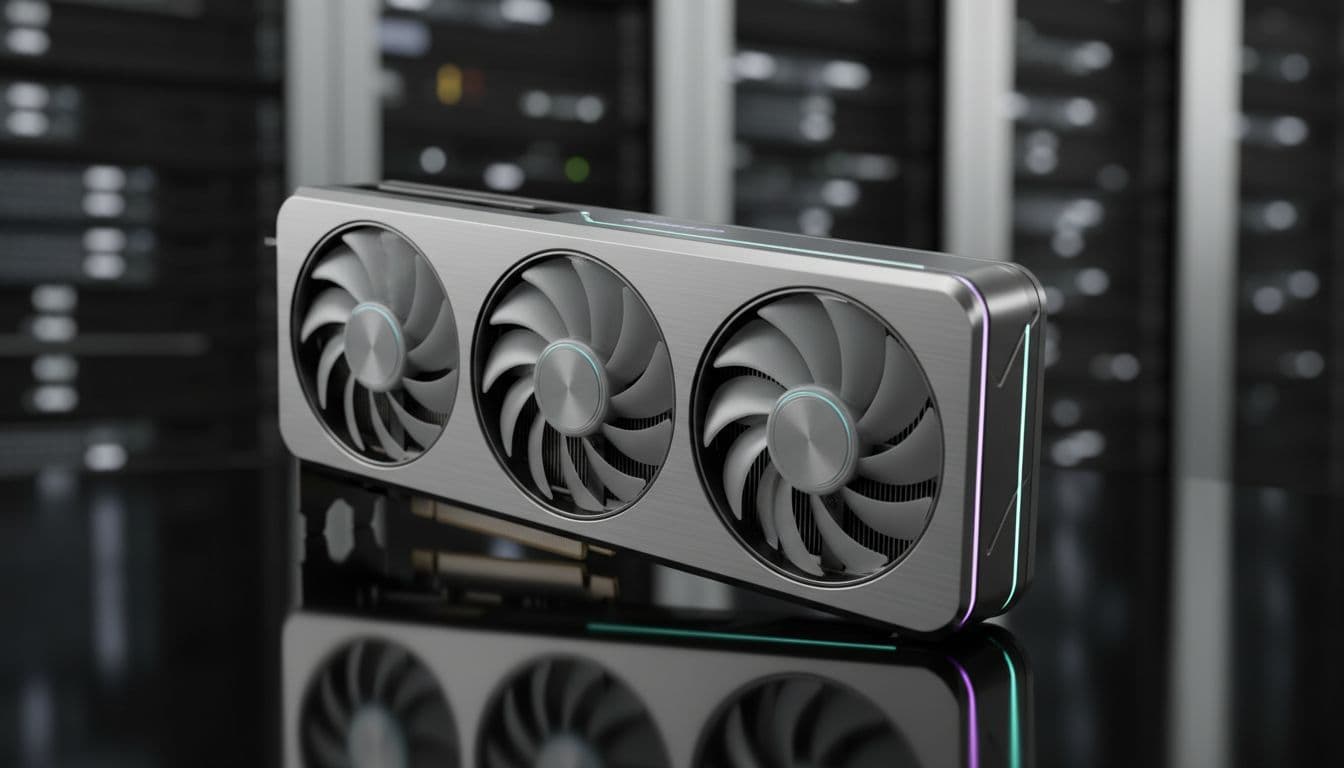
New reporting is fueling a fear many PC gamers already have: top-end graphics cards may get even more expensive in 2026. A leak cited by the Korean outlet Newsis (and covered by TechPowerUp) claims both AMD and NVIDIA plan to raise GPU pricing over the next several months, starting early in 2026. The biggest headline is the prediction that NVIDIA’s RTX 5090 could climb as high as $5,000 before the end of 2026, despite a launch price of $1,999.
To be clear, this is not confirmed pricing from NVIDIA or AMD. It is a leak, and leaks can be wrong. But the story matches what many buyers have seen for years: whenever demand spikes and supply stays tight, street prices can run far above MSRP, especially for flagship cards.
What the leak claims (and the timeline)
According to TechPowerUp’s summary of the Newsis report, the alleged plan looks like this:
- AMD may begin raising GPU prices as early as January 2026.
- NVIDIA may follow with its own increases in February 2026.
- The RTX 5090 could potentially reach $5,000 by the end of 2026 (up from a $1,999 launch price).
The report does not make a specific price prediction for AMD’s RX 9000 series. Still, it suggests a broad upward pressure on GPU costs across the market.
Why AI demand matters more than gamers want it to
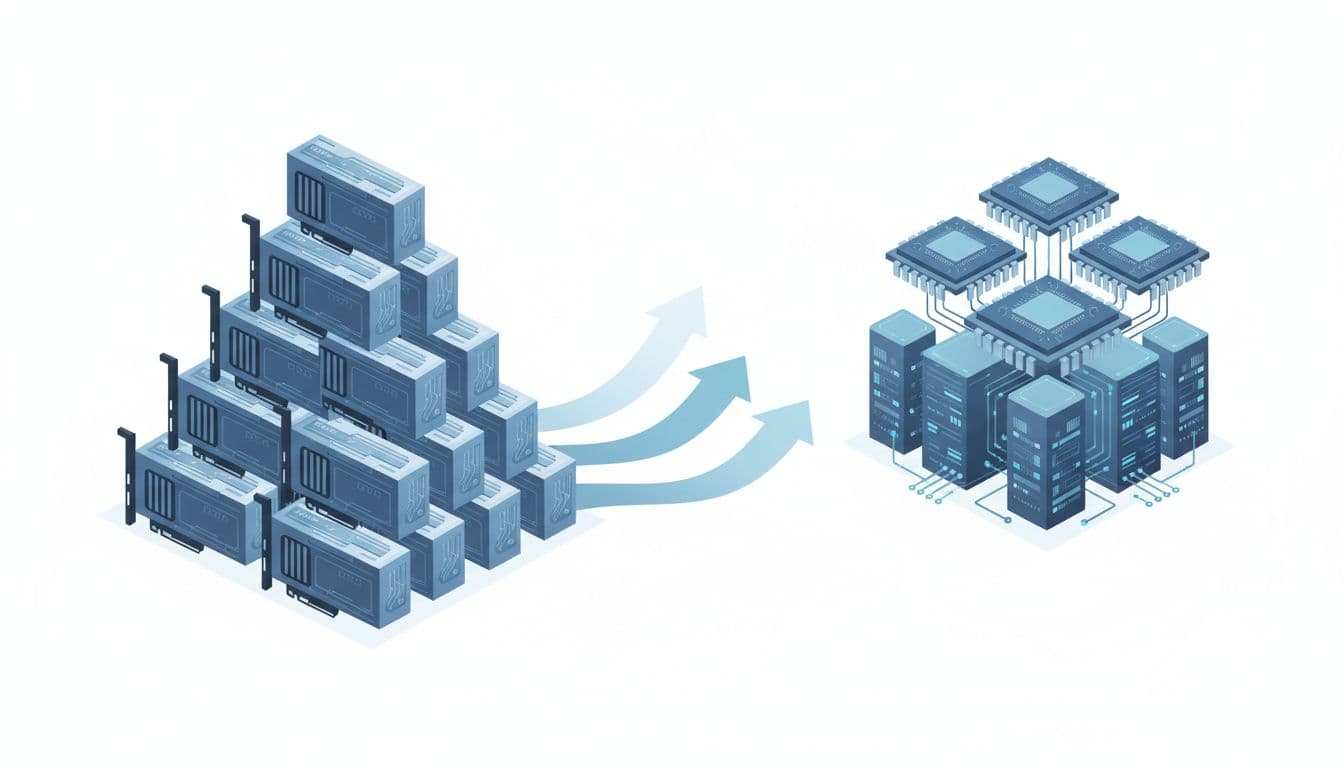
Gaming GPUs and AI-capable GPUs share the same core reality: they need advanced chips, lots of memory bandwidth, and the same manufacturing capacity. When AI buyers are willing to pay more (and buy in bigger volume), the market can tilt away from consumer pricing.
That does not mean every gaming GPU becomes an “AI card,” but it does mean:
- Supply can get redirected toward higher-margin products.
- Partners and retailers may prioritize the inventory that moves fastest and earns the most.
- Street pricing can break away from MSRP for long stretches of time.
Even if you never run an AI model, you can still feel the impact in the checkout cart.
Memory costs could be the silent price driver
One of the most important details in the TechPowerUp coverage is not the $5,000 number. It is the part about memory costs. The report notes that memory can account for up to 80% of a GPU’s bill of materials (BOM) cost in some cases, and memory prices could rise by as much as 40% by Q2 2026.
If that happens, it hits multiple parts of the GPU stack at once:
- Board partners pay more to build the same card.
- Retailers have less room to discount.
- Consumers see higher baseline prices, even before scalping or shortages.
It also explains why midrange cards can still feel expensive. It is not only the GPU chip. High-speed VRAM is a major cost center, especially on premium models with large memory configurations.
DRAM market instability could affect more than GPUs
TechPowerUp links the story to broader DRAM market concerns, including potential instability and price increases that could affect hardware launches. In recent coverage, the outlet discussed the idea that DRAM supply issues could push timelines around for major brands, and even ripple into next-generation console plans.
The key point for readers is simple: GPUs do not exist in a bubble. If memory pricing and supply get messy, it can raise costs across PCs, laptops, and components that depend on the same parts pipeline.
ASUS and other brands are already signaling price changes
Another supporting data point mentioned in the TechPowerUp article is that ASUS announced strategic price adjustments for DRAM and SSDs beginning in early January 2026. A single company adjusting pricing does not “prove” a $5,000 RTX 5090, but it does show that major vendors are preparing buyers for higher costs.
When multiple signals line up (leaks, memory pricing chatter, and brand announcements), it is worth paying attention, even if you stay cautious about exact numbers.

What this could mean for gamers in 2026
If the leak is even partly accurate, 2026 could bring a familiar pattern:
- Flagship cards become “luxury items” with extreme pricing.
- Upper-midrange GPUs feel like the new high end.
- Value shifts toward older generations, used cards, and consoles.
A $5,000 RTX 5090 would be an edge case for most buyers. But it could still impact the rest of the lineup. Flagships set the tone for what brands think the market will tolerate, and they can pull up pricing expectations for the cards below them.
Practical buying advice (if you are planning an upgrade)
You do not need to panic-buy a GPU today. But you can plan smarter. Here are simple moves that help in volatile markets:
- Set a hard budget and do not chase peak pricing. Decide what you will pay, and walk away if the market overshoots.
- Track total platform cost, not only the GPU. If memory and storage rise too, your full build budget matters more than ever.
- Consider last-gen value. A discounted previous-gen card can deliver great 1440p performance without flagship pricing.
- Watch VRAM and memory type. If memory prices surge, models with large VRAM pools may rise faster than expected.
- Buy from reliable sellers. In shortage cycles, scams increase. Use trusted retailers and safe payment methods.
What to watch next (before you believe any specific price)
Leaks grab attention, but confirmed signals matter more. If you want to judge whether GPU prices are truly headed toward a major jump in 2026, keep an eye on:
- Quarterly memory pricing trends from major suppliers and market trackers.
- Official statements from AMD, NVIDIA, and board partners about MSRP and supply expectations.
- Retail inventory levels and how quickly restocks sell out.
- Data center spending news, since it can shift capacity and pricing behavior.
For now, treat the $5,000 RTX 5090 figure as a warning sign, not a guarantee. But the broader message is hard to ignore: AI demand and memory pricing can push consumer GPU costs higher, and gamers may feel the squeeze again in 2026.
To contact us click Here .