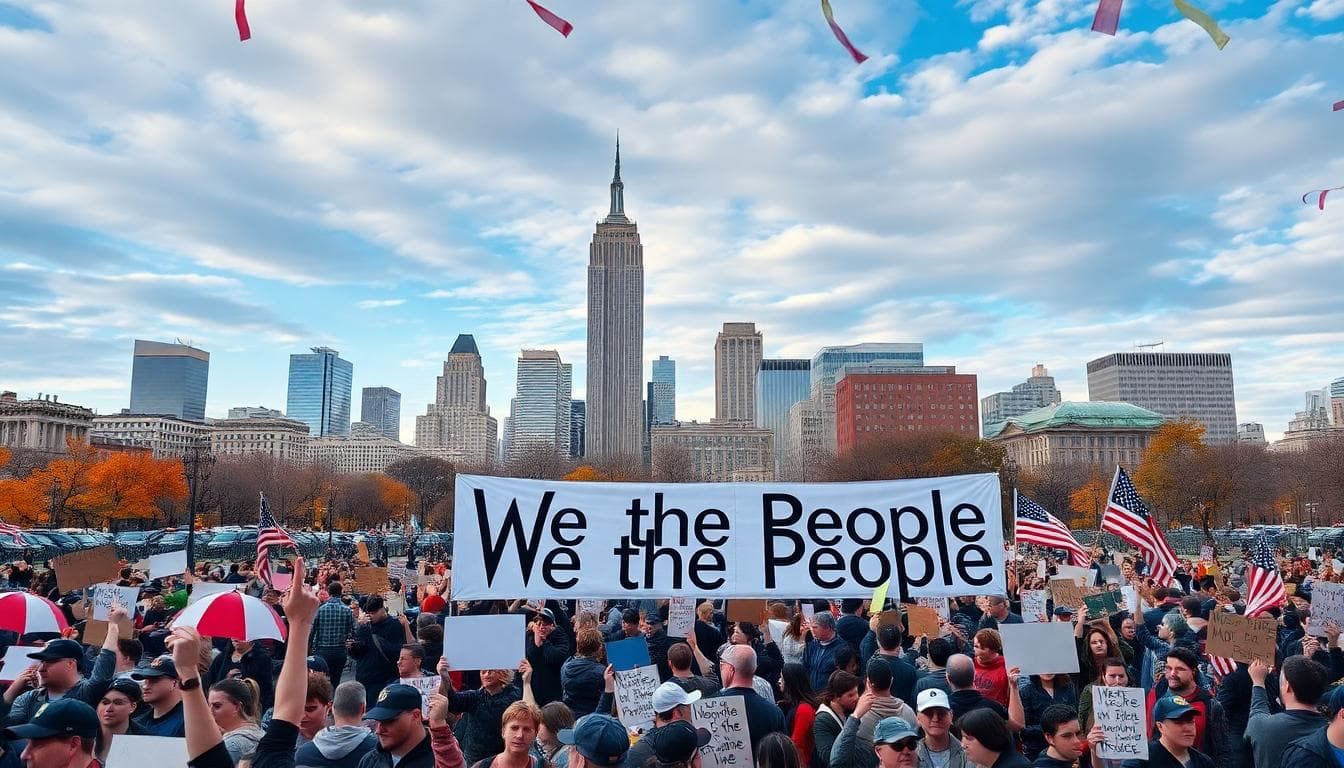
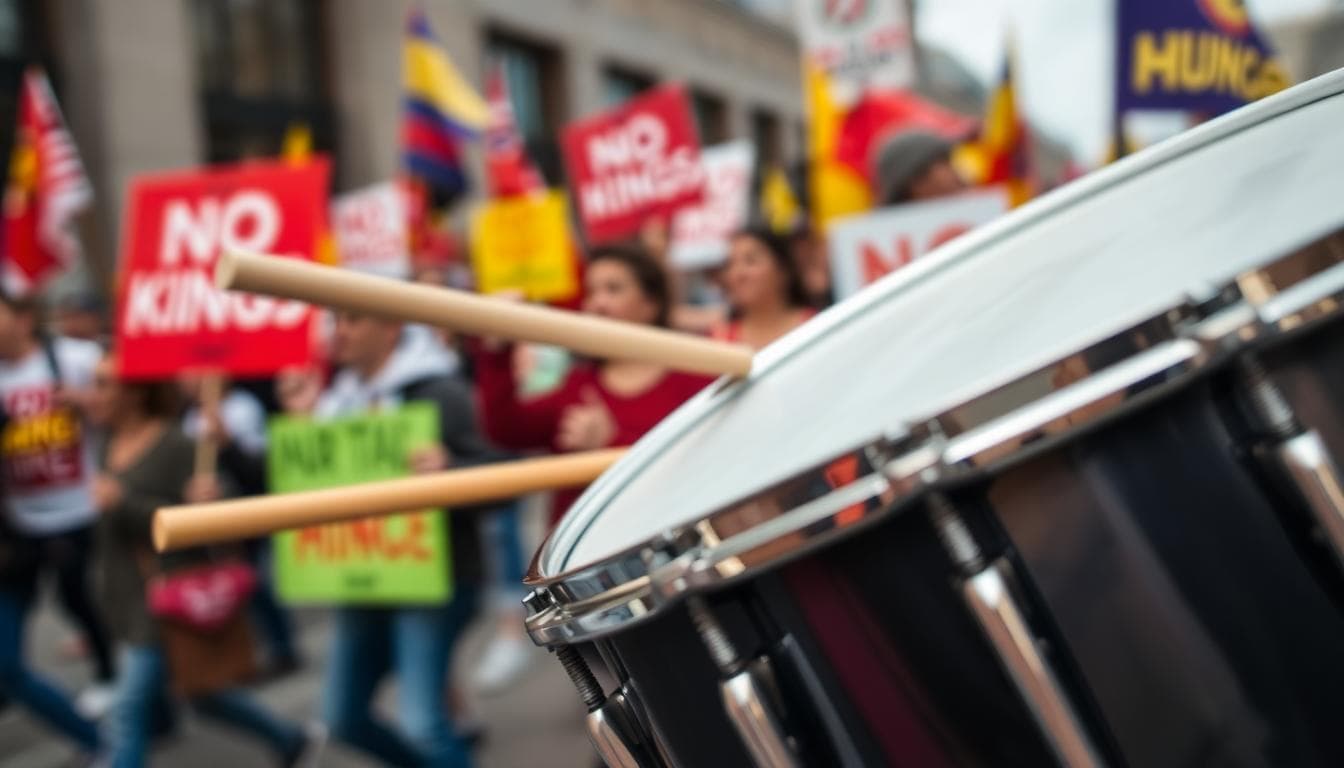
Millions of Americans gathered on Saturday for No Kings day rallies and marches, protesting the policies of the Trump administration and raising concerns about executive overreach. Organizers framed the day as a defense of constitutional checks and balances. Many events took on a street-festival feel, with marching bands, colorful banners, and creative costumes. The tone aimed to counter claims that the demonstrations were anti-American or violent.
Republican leaders were mostly quiet during the mobilization, a contrast to statements earlier in the week that previewed the gatherings as “hate America” rallies. The relative silence came amid a prolonged government shutdown. That standoff has limited federal services and sharpened debates over power between the executive branch, Congress, and the courts. Protest organizers say those tensions highlight the point of No Kings day: to reject any slide toward authoritarianism.
Background and Message
The No Kings theme borrows language from the country’s founding era, emphasizing that presidents are not monarchs. Rallies referenced the constitution and civic participation. Protesters brought signs that nodded to rights, due process, and accountability. Many participants said they wanted to be visible, calm, and determined. The events stressed nonviolence.
In comments on Friday, Donald Trump rejected depictions of himself as a would-be monarch. “I’m not a king,” he said in a televised interview. Later that day, a campaign social media account posted a computer-generated clip that showed the president in royal garb, which supporters framed as satire and critics saw as provocation. On Wednesday, Trump downplayed expected turnout for the protests, saying he had heard that very few people would attend.
Republican Response and Counter-Programming
Some Republican figures focused on separate events. Vice-presidential ally JD Vance and defense secretary Pete Hegseth traveled to Camp Pendleton for a live-fire amphibious demonstration marking the Marine Corps’ 250th birthday. The plan to fire artillery over a nearby highway drew objections from California governor Gavin Newsom, who said a stretch of interstate would need to be closed for safety.
Vance also posted online about a New York municipal candidate’s appearance with a controversial imam linked in old court documents as an unindicted co-conspirator in the 1993 World Trade Center bombing case. His comment pressed Democrats to respond, arguing that both parties should denounce political violence. The posts added fuel to information battles running alongside the day’s events.
Claims, Counterclaims, and Media Narratives
Right-leaning media framed the mobilization as influenced by radical groups and foreign policy flashpoints. Reports alleged that organizers with ties to the global intifada movement participated in New York under labor banners. Other coverage highlighted a grant from foundations connected to George Soros to Indivisible, a civic organization linked to the protests. Supporters of the rallies said these narratives were meant to delegitimize broad-based civic action.
On the ground, the mood in many cities was upbeat and orderly. Organizers emphasized safety, de-escalation, and volunteer marshals. Families attended with children. Homemade signs focused on checks and balances, fair elections, and public services affected by the shutdown. While some chants were sharp, the overarching vibe was spirited rather than confrontational.
What Protesters Are Calling For
Participants voiced several demands: end the shutdown, respect court rulings, protect independent institutions, and maintain congressional oversight. Many speakers linked these pillars to everyday concerns, like pay delays for federal workers, closed programs, and stalled local projects. Protesters argued that the constitution requires limits on presidential power, even during emergencies or partisan fights.
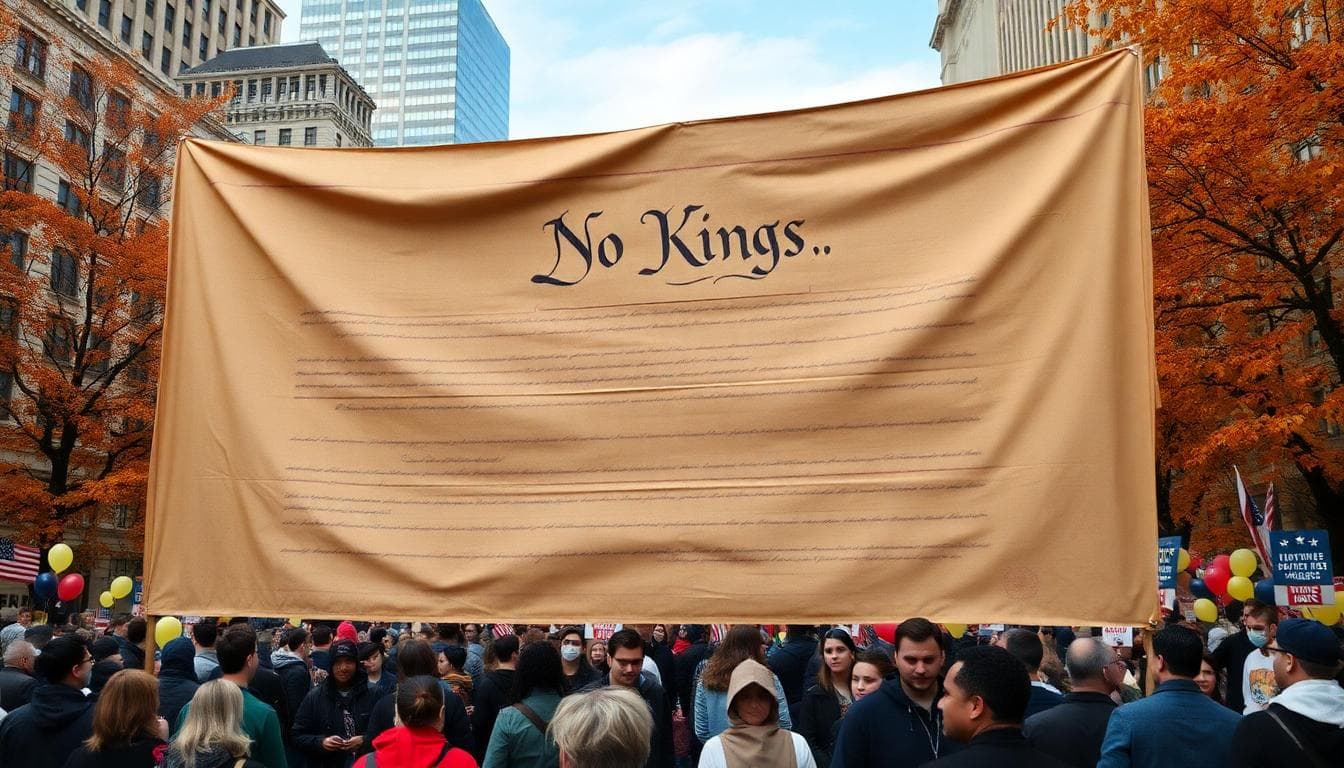
Local coalitions included unions, student groups, faith leaders, veteran advocates, and community organizations. Some marched behind banners that nodded to the constitution’s preamble. Others brought playful visuals, including inflatable costumes, to stress that democratic participation can be joyful as well as serious. The mix of civics and celebration was intentional, organizers said, to make space for broad public engagement.
Silence and Strategy
The quiet from many Republican leaders on protest day may reflect a strategic choice to avoid amplifying the events. Earlier in the week, some had previewed the rallies with harsh labels, calling participants “communists,” “Marxists,” or “antifa.” By Saturday, with large crowds visible in major cities, the absence of strong pushback stood out. Analysts will debate whether that silence helped dampen attention or allowed organizers to define the moment.
For Democrats, especially centrists who joined marches, the turnout served as a visible show of concern about governance during the shutdown. Supporters said the point was not partisan loyalty, but adherence to norms that protect democratic accountability. Critics argued the protests were an attempt to pressure negotiations and cast the opposition as extreme.
The Shutdown Context
The eighteenth day of the shutdown formed a tense backdrop. Federal agencies curtailed services, furloughed workers, and reshuffled priorities. Governors and mayors warned that local programs would feel the strain if it continued. Protest speakers connected these disruptions to broader arguments about how concentrated power can bypass normal budget processes and accountability.
Policy experts noted that shutdowns have become more frequent and politically costly. The economic effects ripple out, from missed paychecks to delayed contracts. Protesters used those facts to support calls for compromise and institutional respect. Whether the marches will move negotiations is unclear, but the public show of concern was unmistakable.
What Comes Next
Organizers are planning follow-ups: town halls, call-in days to Congress, court-watching groups, and voter registration drives. They say the goal is sustained, nonviolent pressure to reinforce constitutional norms. Opponents of the protests will continue to question their motives and funding, keeping the messaging battle alive on social media and cable news.
For now, No Kings day stands as the third major mobilization since Trump returned to the White House. Each has drawn sizable crowds and national attention. The movement’s supporters argue that persistence is the point. They want institutions to function, checks to be real, and power to be shared, not concentrated.
Final Takeaway
Saturday’s marches were large, visible, and mostly celebratory in tone. The quiet response from many Republican leaders contrasted with earlier warnings about disorder. As the shutdown grinds on, and the branches of government test each other’s limits, the rallies put a simple message at the center of debate: in a republic, no one is above the law.
Editor’s note: This report summarizes statements and reporting available at publication time. We will update if new details emerge from officials, organizers, or law enforcement. Want me to add SEO polish, lad? I can draft a meta title, meta description, permalink, and a quick FAQ block targeting People Also Ask queries.
To contact us click Here .