

Venezuela has some of the biggest oil reserves on Earth. Yet for years its oil sector has struggled with falling production, weak maintenance, and tight access to global finance and equipment. That is why any idea that the United States could push a major reset in Venezuela’s oil industry gets instant attention.
In a recent piece, The Economist framed the situation as a high-stakes political and economic bet: use U.S. pressure and U.S. corporate capital to try to revive Venezuela’s oil system and, in the process, reshape energy flows in the Americas. Whether you read it as reporting, scenario-building, or a mix of both, the core question is real: can oil investment succeed in Venezuela without triggering new instability, legal fights, and market backlash?
Why Venezuela’s oil still matters
Even after years of decline, Venezuela’s oil potential is hard to ignore. If production rises meaningfully, it can change:
- Regional supply in the Gulf Coast and Caribbean refining system.
- Heavy crude availability for refineries built to run heavier grades.
- OPEC+ dynamics, especially if barrels return faster than expected.
- Migration and fiscal pressure inside Venezuela, if revenue improves (or if it is captured by elites).
But “potential” and “deliverable barrels” are not the same thing. Years of underinvestment can leave pipelines, storage, ports, and power supply in rough shape. Restarting that machine is expensive, slow, and risky.
What a U.S.-backed oil push would try to achieve
Supporters of a harder U.S. line often argue that Venezuela’s oil sector is both the country’s prize and its pressure point. The logic usually runs like this:
- Change political incentives by tightening or reshaping sanctions.
- Bring in Western operators with money, technology, and compliance systems.
- Increase production and exports over time.
- Use the promise of oil revenue to force reforms, elections, or a new governing deal.
In theory, U.S. companies could also benefit from longer-term access to reserves and from feeding Gulf Coast refineries that can process heavy crude. In practice, it depends on rules, contracts, and security conditions that investors can trust.
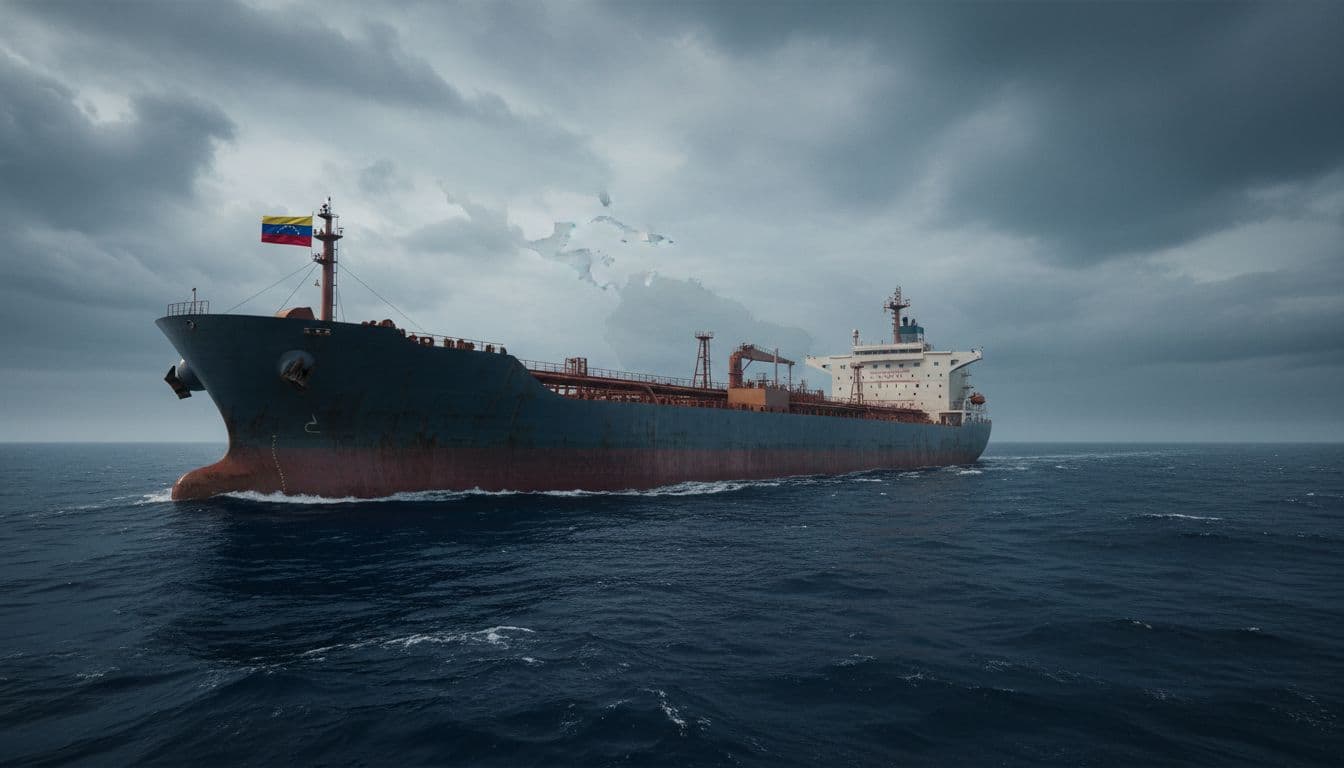
The biggest obstacle: sanctions, legal risk, and compliance
Any Venezuela oil “comeback plan” runs into sanctions first. Even if the U.S. issues licenses, companies still face:
- Fast-changing policy after elections, court rulings, or new crises.
- Banking limits that make payments, insurance, and trade finance difficult.
- Contract uncertainty, including disputes over who has the right to sell crude and collect cash.
- Reputational risk for firms that look too close to an authoritarian state.
There is also a long memory in the oil business. Past expropriations and contract resets still shape how boards and lenders view Venezuela. Even when oil prices are strong, companies price political risk into every decision.
Infrastructure is not a switch you can flip
Even with political clearance, the physical work is massive. Bringing fields back is not just drilling new wells. It can include:
- Repairing gathering lines and pipelines that leak or corrode.
- Restoring power supply, water injection, and gas handling systems.
- Rebuilding spare parts supply chains and reliable maintenance teams.
- Upgrading ports, storage tanks, and blending facilities.
That takes years. It also takes stable rules for imports and payments. If a project cannot import equipment or pay contractors on time, timelines slip fast.
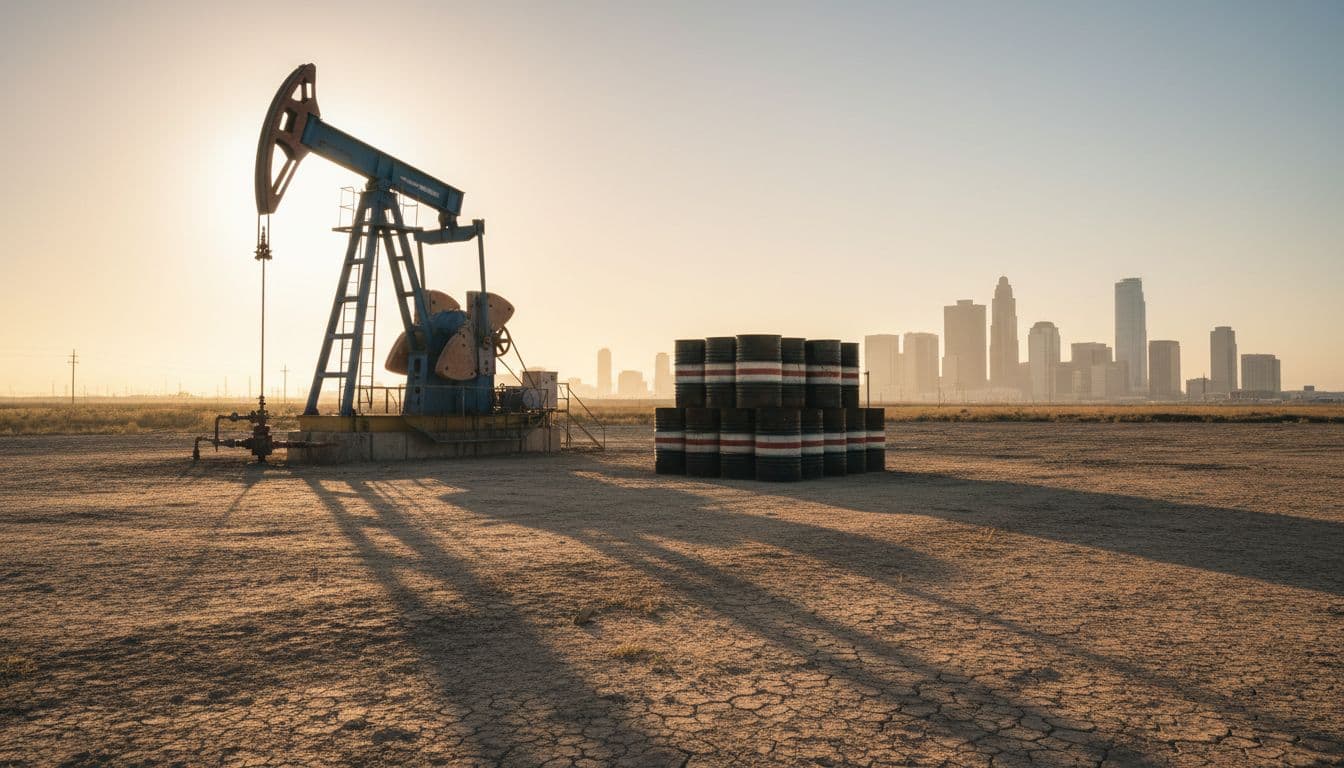
Who gains, who loses: the political economy problem
Oil money changes politics. That is not always good news. A key risk is that new oil revenue strengthens the wrong actors, especially if institutions are weak. If revenue flows without transparency, it can fuel corruption, patronage networks, and more repression.
On the other hand, a carefully designed system could tie revenue to measurable reforms, humanitarian goals, or monitored funds. The challenge is enforcement. Once barrels are flowing and money is moving, leverage can shrink.
Market impact: will Venezuela move global oil prices?
In the short run, probably not. Even if policy shifts overnight, production gains usually come slowly. Markets also look at net changes. If extra Venezuelan supply leads OPEC+ to cut elsewhere, the price impact could be muted.
Still, Venezuelan barrels could matter in specific corners of the market, especially heavy crude. If heavy supply rises, it can affect refinery margins, product spreads, and trade routes across the Atlantic Basin.
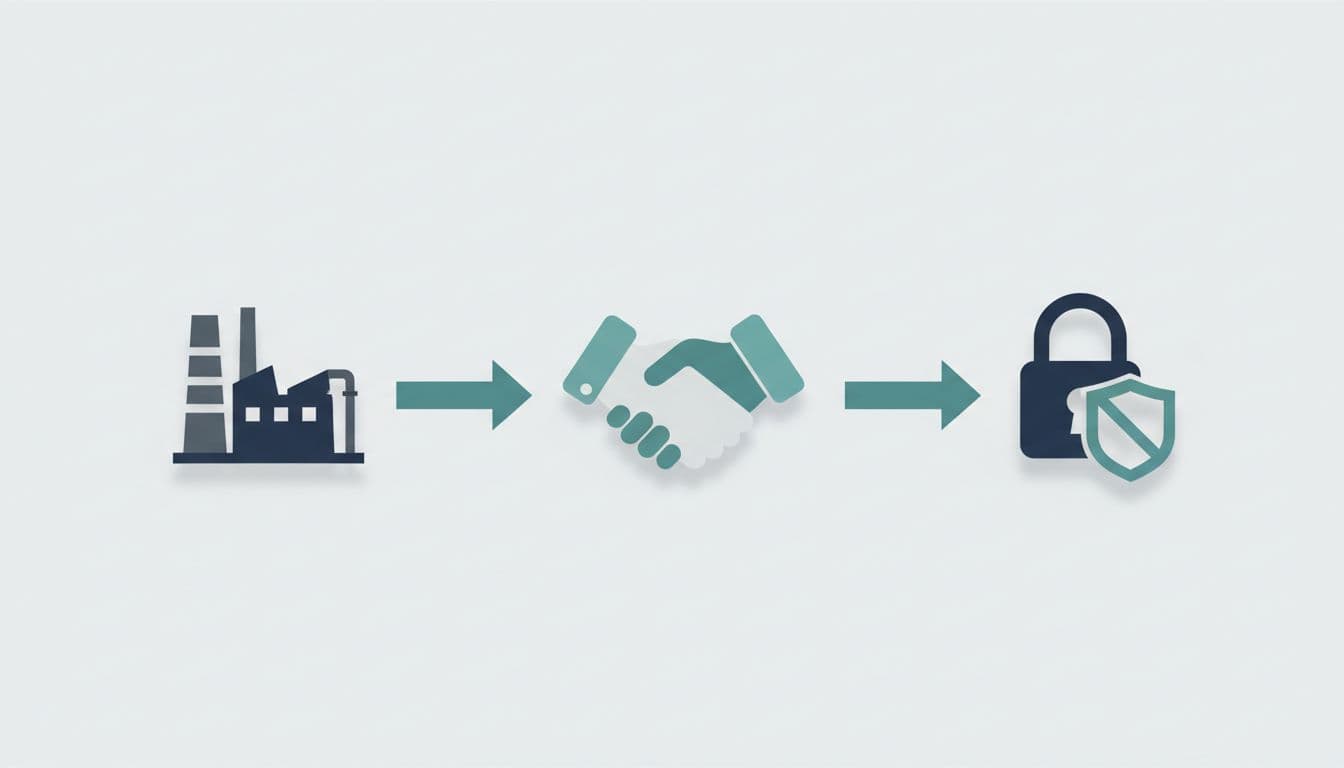
A simple way to think about the gamble
This kind of strategy tries to solve three problems at once: politics, oil output, and regional influence. That is why it is tempting. It is also why it is dangerous. If any one piece fails, the whole plan can backfire.
What to watch next (practical checklist)
If you want to track whether a Venezuela oil revival is real or just talk, watch these signals:
- License clarity: Are U.S. permissions broad, long-dated, and bankable?
- Payment channels: Can buyers pay legally and reliably through major banks?
- Service company returns: Do drilling and oilfield service firms re-enter at scale?
- Security conditions: Are facilities, staff, and ports protected consistently?
- Contract terms: Are deals transparent, enforceable, and resilient to political change?
- Verified production data: Do independent sources confirm sustained output growth?
Venezuela’s oil is a giant prize wrapped in political and operational risk. A U.S.-tilted push to restart the sector could bring more supply over time, but it would also raise hard questions about sanctions, governance, and who controls the revenue. For investors, the key issue is not whether the oil exists. It is whether the rules around the oil can be trusted long enough to justify billions in spending.
This article is an original analysis inspired by themes raised in The Economist (Finance & Economics, Jan 4, 2026) about a potential U.S. strategy toward Venezuelan oil.
To contact us click Here .