

Explosions in Caracas and a wave of rapid political announcements have put Venezuela at the center of global attention. According to CNN’s live coverage, Venezuelan President Nicolás Maduro was captured and is now in US custody. CNN also reported that Venezuela’s Supreme Court directed Vice President Delcy Rodríguez to assume the powers and duties of acting president, while opposition voices called for a different transfer of power.
What happens next could reshape Venezuela’s government, its economy (especially oil), and daily life for millions of people inside and outside the country. Here is a clear, updated breakdown of what has been reported so far, what remains uncertain, and what to watch in the days ahead.
What happened in Caracas?
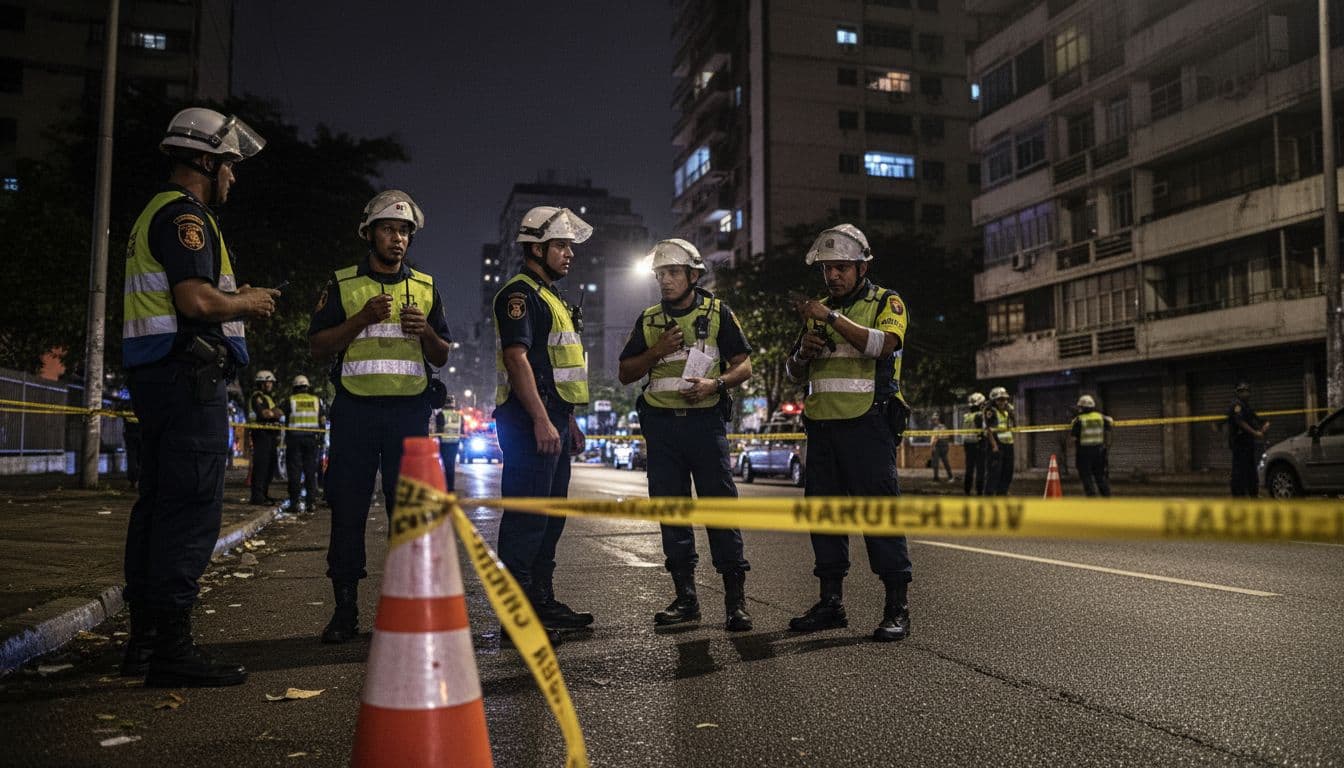
CNN’s live updates described explosions in Caracas amid a wider US operation and major political fallout. In fast-moving situations like this, early details can be conflicting. Authorities often take time to confirm the cause, targets, and damage.
What is clear from CNN’s reporting is that the events in the capital were tied to a larger chain of actions and reactions involving the US and Venezuela’s leadership. As investigators and officials release more information, key questions include:
- Where exactly did the explosions occur, and what locations were impacted?
- Were critical services affected (power, transport, hospitals, mobile networks)?
- How many people were injured, and what support is available for families?
- What security measures are now in place across Caracas and other cities?
For readers following from abroad, it is worth noting that in any major incident, online claims can spread quickly. The most reliable picture tends to emerge from a mix of official statements, credible local reporting, and independent verification.
Maduro reported in US custody: what CNN says
One of the biggest developments in CNN’s coverage is the report that Nicolás Maduro was captured and is now on US soil. CNN reported he is being held at the Metropolitan Detention Center in Brooklyn and will face drugs and weapons charges.
If confirmed through formal court proceedings and verified documentation, this would represent a dramatic shift in Venezuela’s political timeline. It also raises immediate legal and diplomatic issues, including:
- What specific charges will be filed, and what evidence will be presented?
- How will Venezuela’s institutions respond to a leader being detained abroad?
- What role will international organizations and regional governments play?
Who is leading Venezuela right now?
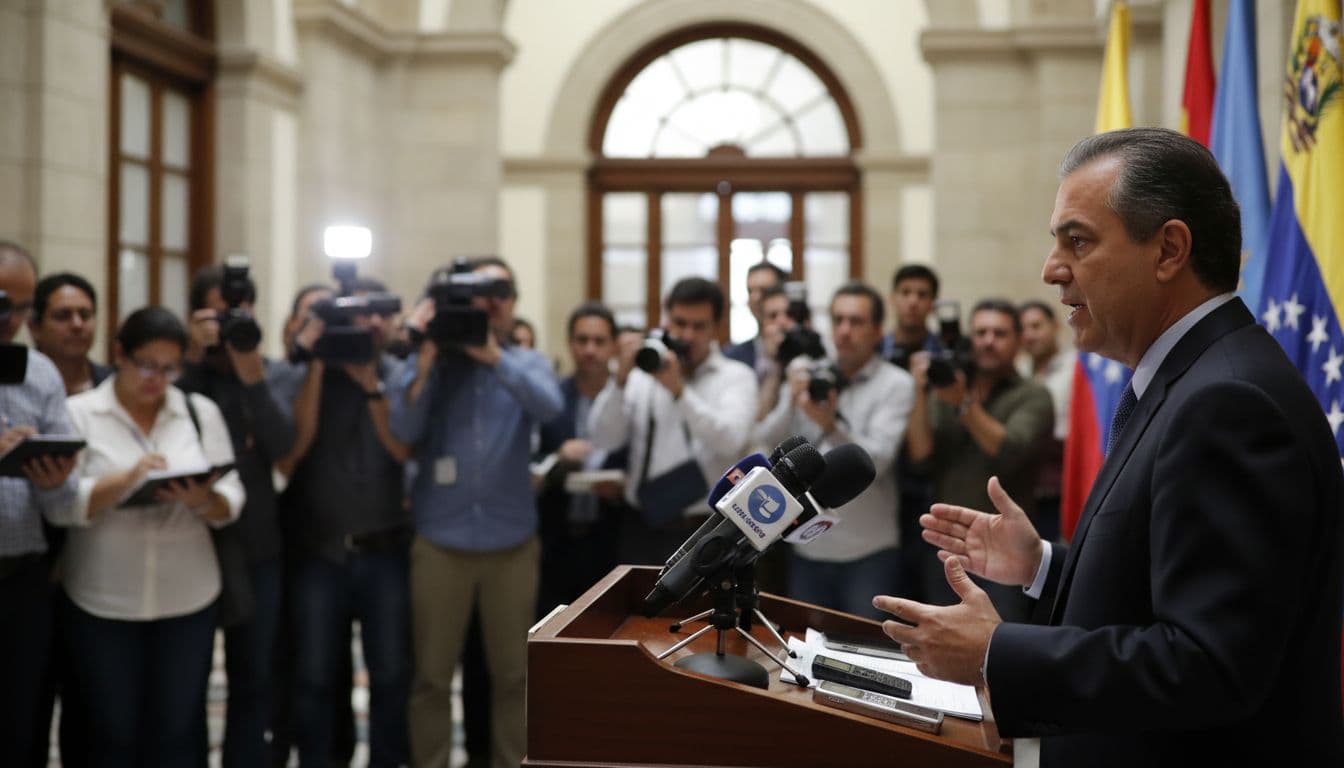
CNN’s live blog reported that Venezuela’s Supreme Court directed Vice President Delcy Rodríguez to assume the powers and duties of acting president. At the same time, CNN reported that opposition leader María Corina Machado called for an opposition candidate to assume power.
This points to a central tension: legal authority inside the current system versus political legitimacy claimed by the opposition and its supporters. That gap can affect everything, including whether security forces follow one chain of command, how ministries operate, and which policies are recognized by foreign governments.
In practical terms, the questions that matter most for stability are straightforward:
- Who controls the armed forces and national police today?
- Who controls borders, airports, and major state media channels?
- Can a temporary government set a credible path to elections?
- Will public services keep functioning without disruption?
US posture and “carrot-and-stick” pressure
CNN’s coverage also described a broader US military presence off Venezuela’s coast and suggested it is likely to remain for now. CNN cited a retired major general who described a carrot-and-stick approach, with the idea that US forces could continue to apply pressure while seeking cooperation from whatever Venezuelan government remains.
That matters because a continuing military posture can influence negotiations, deter certain actions, and shape decisions made by political and military leaders on the ground. It can also increase the risk of miscalculation if communication breaks down.
Oil, sanctions, and the economic stakes
Another headline from CNN’s live updates was President Donald Trump’s statement that the US would “run the country” until a transition can occur, and that the US would seize Venezuela’s massive oil reserves. CNN reported plans to recruit American companies to invest.
Oil has long been Venezuela’s key economic asset. Any shift in control, management, or export permissions could have major ripple effects:
- Inside Venezuela: government revenue, jobs tied to energy, fuel availability, and inflation.
- In the region: migration pressure, cross-border trade, and political stability.
- Globally: crude supply expectations and price volatility, depending on production and shipping capacity.
Even if new investment is promised, rebuilding production can take time. Infrastructure, staffing, security, and maintenance all matter. Any new plan also has to navigate legal disputes, sanctions frameworks, and international recognition.
Human impact: relief, fear, and uncertainty
CNN’s coverage included reactions from Venezuelans who expressed joy and hope, but also apprehension and anxiety. This mix is common in moments of political rupture. Some people see a possible end to repression or economic decline. Others fear instability, violence, or retaliation.
For families in Caracas and other cities, the most urgent needs are often basic: safety, reliable information, access to medical care, and clear guidance on where to go if conditions change.
Flights and travel: signs of reopening
CNN also reported that flights through Caribbean airspace were set to resume from midnight Eastern Time after a temporary closure following the strike, with some airlines planning to restart service by Sunday.
If you have family traveling, or you are planning to travel yourself, check directly with airlines and official airport channels. Airspace rules can change quickly, and routes may be adjusted even after service resumes.
What to watch next
In the coming days, several signals will help clarify where Venezuela is headed:
- Formal legal steps: court filings, hearings, and official documentation related to Maduro’s reported detention.
- Control on the ground: who commands security forces and manages public institutions.
- Transition roadmap: announcements about elections, interim leadership, and oversight.
- Economic direction: concrete policy actions on oil production, exports, and sanctions.
- International response: recognition, mediation offers, and humanitarian commitments.
To contact us click Here .