
SpaceX closed out another busy stretch of launches on Monday evening with a Falcon 9 mission from Vandenberg Space Force Base in California. The flight carried 27 new Starlink satellites to low Earth orbit, pushing the company’s internet constellation to even higher numbers and marking the 60th Falcon 9 launch from Vandenberg in 2025.
The launch, known as Starlink 15-10, lifted off from Space Launch Complex 4 East (SLC‑4E) at 9:28 p.m. PST (12:28 a.m. EST / 0528 UTC). Conditions along the California coast set the stage for an evening launch that lit up the sky for observers across the region.
Mission Overview
Starlink 15-10 carried a batch of 27 Starlink satellites, which are part of SpaceX’s growing broadband internet system in low Earth orbit. By the end of November 2025, SpaceX had already launched more than 2,800 Starlink satellites this year alone, and this mission added to that already impressive total.
The flight profile followed SpaceX’s now familiar pattern. After liftoff, the reusable first stage powered the rocket through the dense lower atmosphere, then separated from the second stage while the upper stage continued on to orbit with the payload. The second stage then performed the burns needed to place the Starlink satellites into their planned deployment orbit.
Launch Time and Location
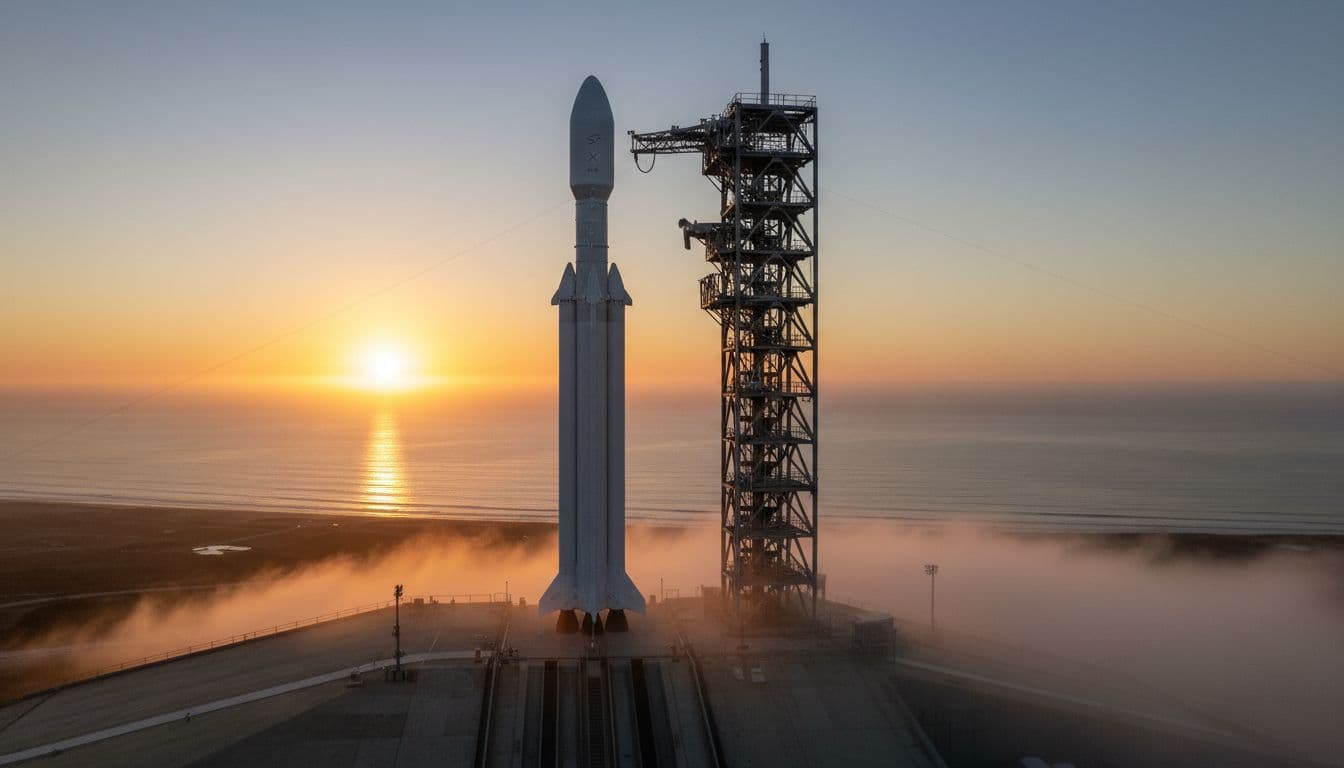
The Falcon 9 launched from Vandenberg Space Force Base on the central California coast. The West Coast pad at SLC‑4E has become a key site for Starlink launches to higher‑inclination orbits, which allow coverage over higher latitudes.
Liftoff took place at 9:28 p.m. Pacific time. For viewers across North America and beyond, that translated to 12:28 a.m. Eastern time and 0528 UTC. Evening launches from Vandenberg often create dramatic views as exhaust from the rocket plume catches the light from the sun below the horizon.
B1081: A Veteran Booster’s 20th Flight
The mission used Falcon 9 first stage booster B1081, a veteran of the fleet. This launch marked the 20th flight for this particular booster, which is a major milestone in SpaceX’s push for rapid reusability.
B1081 has a notable flight history. It previously supported several high‑profile missions, including:
- NASA’s Crew‑7 mission, which carried astronauts to the International Space Station.
- CRS‑29, a cargo resupply mission that delivered experiments and supplies to the ISS.
- PACE, a NASA Earth science mission focused on ocean and atmospheric measurements.
- TRACERS, a mission to study the interactions between the solar wind and Earth’s magnetic field.
Reusing the same booster across 20 flights helps lower launch costs, increases flight cadence, and showcases how far SpaceX has come in making rockets more like aircraft, flown many times instead of once.
Drone Ship Landing on “Of Course I Still Love You”
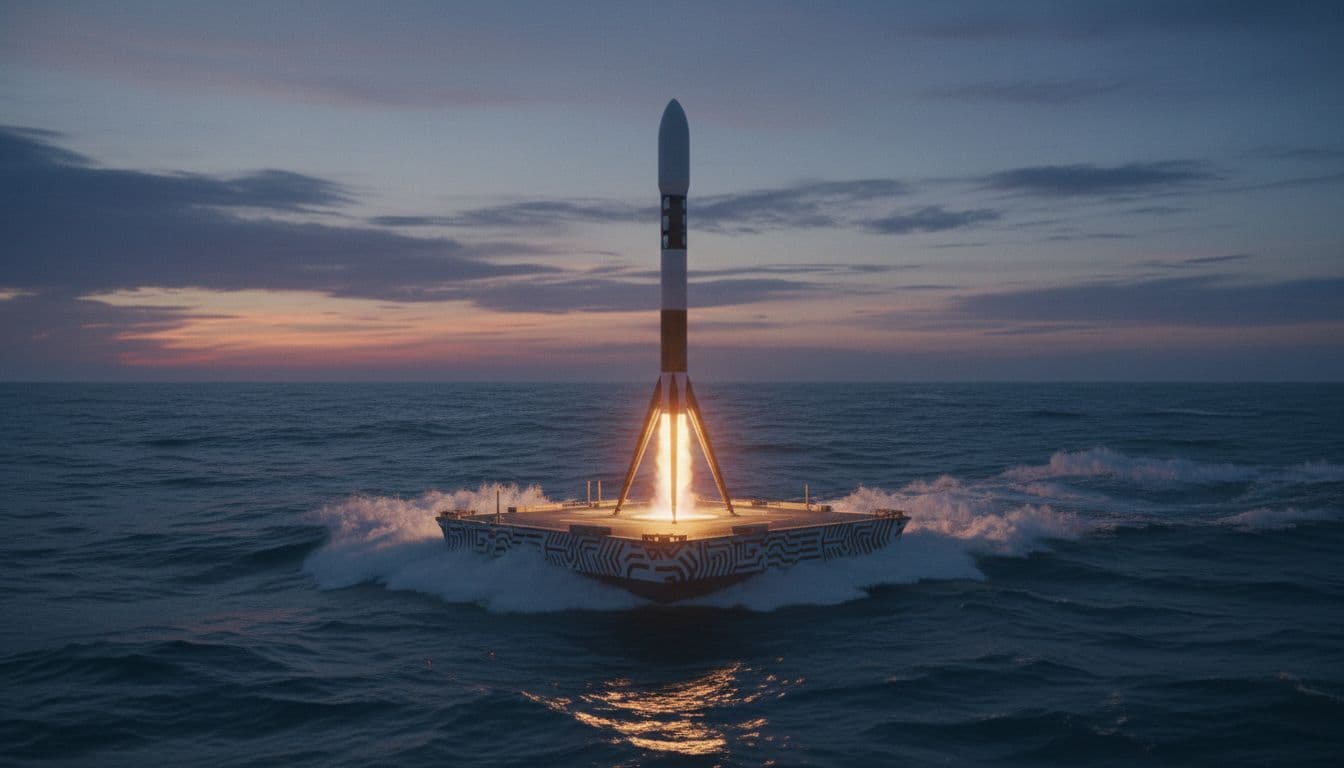
Around 8.5 minutes after liftoff, the B1081 first stage made a powered descent and touched down on the drone ship “Of Course I Still Love You” (OCISLY), stationed in the Pacific Ocean.
This landing continued SpaceX’s record of frequent booster recoveries:
- It was the 166th successful landing on OCISLY.
- It marked the 542nd overall booster landing across the Falcon fleet.
Each successful landing and reflight provides SpaceX with valuable data for refining operations, while keeping hardware in use and reducing the need to build new cores for every mission.
Starlink Constellation Growth in 2025
Starlink is SpaceX’s long‑term project to build a global high‑speed internet network using thousands of small satellites in low Earth orbit. By the end of November 2025, more than 2,800 Starlink satellites had been launched this year alone. The Starlink 15‑10 mission continued that momentum.
The constellation is designed to provide coverage to underserved and remote regions as well as offer an alternative to traditional ground‑based internet infrastructure. Over time, additional satellites and upgraded designs are expected to increase capacity, reduce latency, and improve overall service quality.

Confirmed Deployment of 27 Starlink Satellites
SpaceX confirmed the successful deployment of the 27 satellites in a post‑launch update. At 1:40 a.m. EST (0640 UTC), the company announced that the batch of Starlink spacecraft had been released from the second stage.
Once separated, the satellites begin their own checkout and orbit‑raising process. Using onboard propulsion, each satellite gradually moves from its initial drop‑off orbit into its final operational orbit, where it joins the rest of the Starlink network.
Why This Launch Matters
While Falcon 9 flights to deploy Starlink satellites have become routine, each mission still plays a key part in the long‑term plan for global internet coverage and reusable spaceflight.
Key reasons this mission stands out include:
- Reusability milestone: The 20th flight of booster B1081 highlights SpaceX’s progress in flying hardware repeatedly.
- High launch cadence: Reaching 60 Falcon 9 launches from Vandenberg in a single year reflects how regular orbital launches have become.
- Constellation expansion: Each new set of satellites increases Starlink’s coverage, capacity, and reliability.
- Operational maturity: Frequent launches and landings show how stable and polished the Falcon 9 system has become.
Looking Ahead
SpaceX is expected to continue launching Starlink missions from both the East and West Coasts, maintaining a rapid cadence to keep building out and upgrading the constellation. As new generations of satellites are introduced, they may bring improved hardware, inter‑satellite links, and new services aimed at consumers, businesses, and specialized users.
With each successful launch and landing, SpaceX strengthens its position in both launch services and satellite internet. The Starlink 15‑10 mission from Vandenberg is one more step in that direction, showing how frequent, reusable rocket flights are shaping the future of access to space and connectivity on the ground.
To contact us click Here .