
Published: November 30, 2025
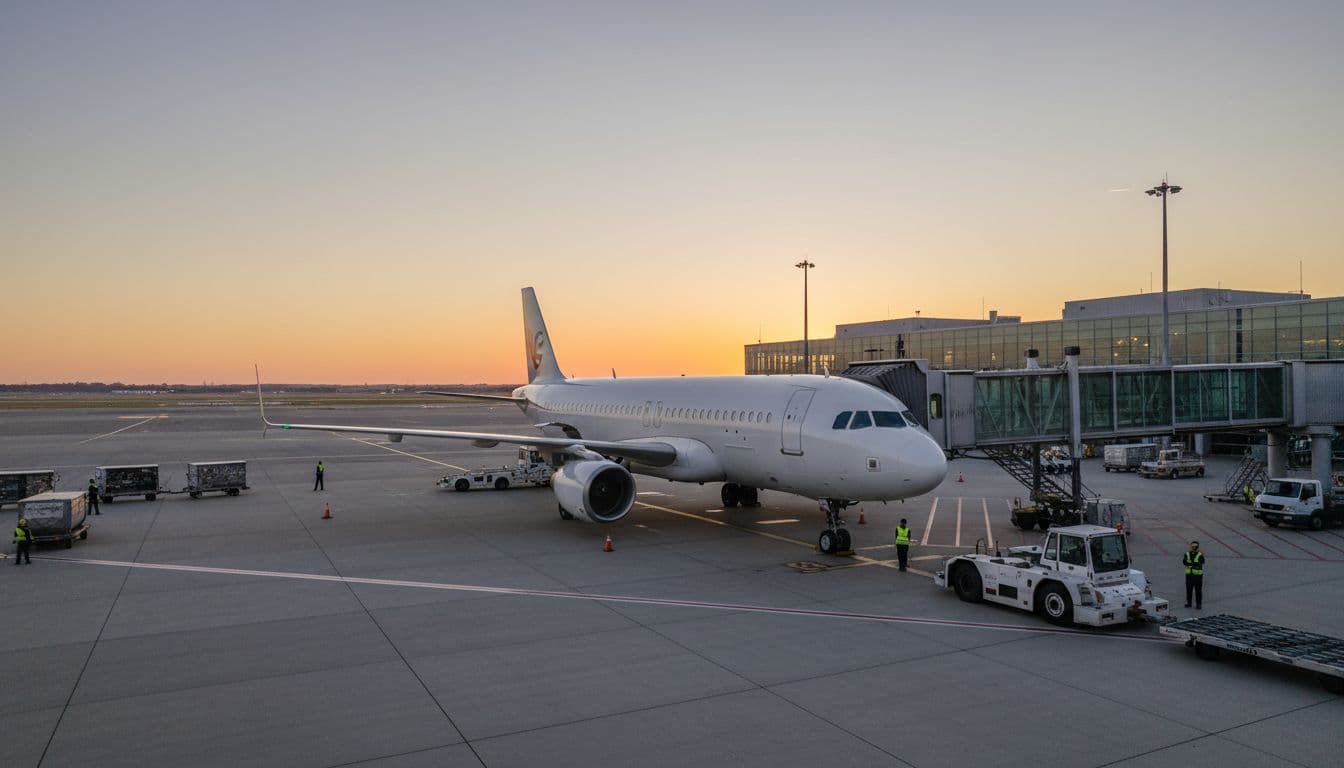
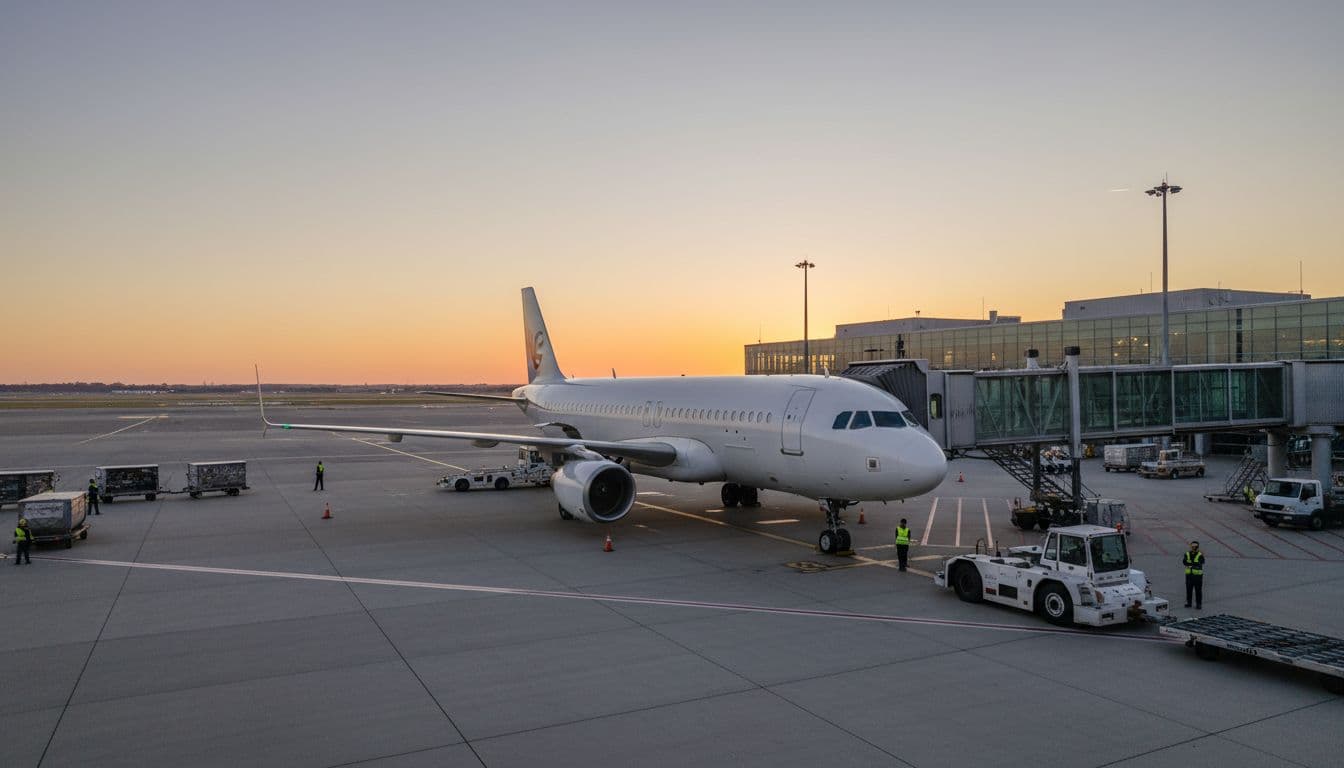
One of the world’s most widely used aircraft families, the Airbus A320 series, has just gone through an intense and highly public software recall. The move disrupted flights across the globe, stranded passengers, and added pressure on airlines during one of the busiest travel weekends of the year. While the issue was serious enough to trigger an emergency directive, airlines and regulators say the situation is now steadily improving as software fixes are deployed.
What Triggered the Airbus A320 Recall?
The recall began after a JetBlue flight on October 30 experienced what regulators described as an “uncommanded and limited pitch down event.” In simple terms, the aircraft briefly moved its nose downward without the pilots intentionally commanding it. That kind of event sets off alarm bells for aviation authorities, even if it is short and controlled.
Investigations led to the discovery of a software vulnerability affecting the flight control systems on certain A320-family jets. The issue was linked to extreme space weather activity, including solar flares that can interfere with sensitive systems. While modern aircraft are designed to handle a wide range of conditions, this specific combination of software logic and solar activity raised enough concern to demand immediate action.

The European Union Aviation Safety Agency (EASA) and the U.S. Federal Aviation Administration (FAA) responded with emergency airworthiness directives. These orders required airlines to apply a mandatory software update before flying affected aircraft again. Because the A320 family is one of the most popular narrow-body jets on the planet, the impact was immediate and widespread.
Scope of the Disruption: Thousands of Flights Affected
Airbus directed immediate software fixes for around 6,000 A320-series aircraft worldwide. That is more than half of all A320-family jets in service, which explains why the ripple effects were so strong and so fast.
The timing could not have been worse for travelers in the United States and many other countries. The recall hit during the Thanksgiving holiday period, one of the busiest travel windows of the year. Airlines had to quickly ground aircraft, cancel or delay flights, rebuild schedules, and move passengers to other planes where possible.
How Major Airlines Responded
American Airlines was one of the largest U.S. carriers affected, with 209 aircraft initially flagged for the software fix. The airline moved fast. By midday on Saturday, American said that all impacted aircraft had received the necessary update and were cleared to resume flying. The carrier also said it expected no further operational impact from the directive for the rest of the Thanksgiving period.
United Airlines reported that six of its aircraft were affected and expected only “minor disruption” to a small number of flights. Delta Air Lines said fewer than 50 aircraft in its Airbus A320 fleet required the update, showing that, while serious, the problem did not hit all fleets equally.

Outside the U.S., the impact was even more visible in certain markets. In Japan, ANA Holdings, which operates the country’s largest Airbus narrow-body fleet, canceled 95 domestic flights in a single day. That decision affected roughly 13,200 passengers, not including those flying on affiliate airlines such as Peach Aviation. Japan Airlines, which relies more heavily on Boeing jets, largely avoided the worst of the disruption.
In India, Air India reported that more than 40% of its affected aircraft had already been updated by Saturday. The airline said it managed to avoid cancellations, though some flights had to be delayed or rescheduled. That shows how different carriers balanced safety, operations, and customer impact based on the size of their Airbus narrow-body fleets and the speed of their technical teams.
Jetstar, Qantas, and the Australian Market
Australia also felt the shock. Jetstar Airways identified 34 aircraft that needed the software correction and ended up canceling around 90 flights. According to the airline, by mid-afternoon on Saturday, 20 of those 34 aircraft were back in service after receiving the update. Jetstar expected the remaining aircraft to be ready overnight, which would allow flights to resume as planned on Sunday.
Jetstar and its parent company Qantas together control about 65% of the Australian domestic market. That means any disruption to their operations quickly affects thousands of travelers and airport schedules across the country. Virgin Australia, which has only four A320s and a smaller share of the market, said it was not affected by the recall.
What Airbus Says About the Fix
Airbus CEO Guillaume Faury acknowledged the scale of the disruption in a public statement. He described the fix as causing “significant logistical challenges and delays” and noted that teams had been working around the clock to support operators. The goal: roll out the software updates as quickly as possible so grounded planes could safely return to the sky.
The recall is one of the largest in Airbus’ 55-year history, given the size of the A320 family and how central it is to global short-haul travel. Even though the software vulnerability led to only a limited pitch event in a single recorded incident, aviation safety rules tend to err on the side of extreme caution. If there is any chance a system might misbehave under rare conditions, regulators want it fixed before something more serious happens.
What This Means for Travelers
For travelers, the worst of the disruption may be short-lived, especially in the U.S., where major airlines like American have already completed their updates. However, some markets, especially in Asia and Australia, may continue to see temporary changes in schedules as airlines finish their final batch of updates and reposition aircraft.
The incident is also a reminder of how much modern air travel depends on software. Aircraft today rely on complex code, sensors, and automation to manage everything from flight controls to navigation. Events like strong solar flares, while not new, can expose weaknesses in those systems that only appear under rare conditions. When that happens, worldwide recalls and emergency directives might follow.
Is It Still Safe to Fly on an Airbus A320?
Once the software update is applied, the aircraft is considered compliant with the emergency directive and safe to operate. Regulators do not allow airlines to fly affected jets without the approved fix. If you are flying soon and your trip involves an A320-family aircraft, it is very likely that any required updates have already been completed by the time you board.
From a safety perspective, this kind of swift global response is a sign that the system is working as intended. A single incident prompted investigation, that investigation uncovered a risk, and the industry reacted quickly to remove that risk.
Key Takeaways
- Airbus ordered software fixes for around 6,000 A320-family aircraft after a pitch control incident linked to solar activity.
- American Airlines and several other carriers have already completed updates on all affected jets in their fleets.
- Travelers faced cancellations and delays, especially in Asia and Australia, as airlines grounded aircraft for updates.
- Regulators like EASA and the FAA used emergency directives to ensure no affected aircraft flew without the fix.
- Once updated, A320 aircraft are cleared for normal service and considered safe to operate.
While this recall created short-term headaches for airlines and passengers, it also showed how quickly the aviation world can mobilize to address safety concerns. As airlines finish their updates and planes return to service, global travel on the A320 family should normalize again.
To contact us click Here .