

Scammers in Clay County, Missouri, have found a new way to steal money, and it is costing people millions of dollars. Criminals are calling residents, pretending to be law enforcement, and pressuring them to pay fake fines using Bitcoin ATMs and other cryptocurrency kiosks. Because these payments are hard to track and reverse, most victims never see their money again.
In just two years, at least 156 people in Clay County have lost around $3 million to these cryptocurrency ATM scams. Local officials say the calls sound very convincing and often scare people into acting fast, without stopping to question what is really going on.
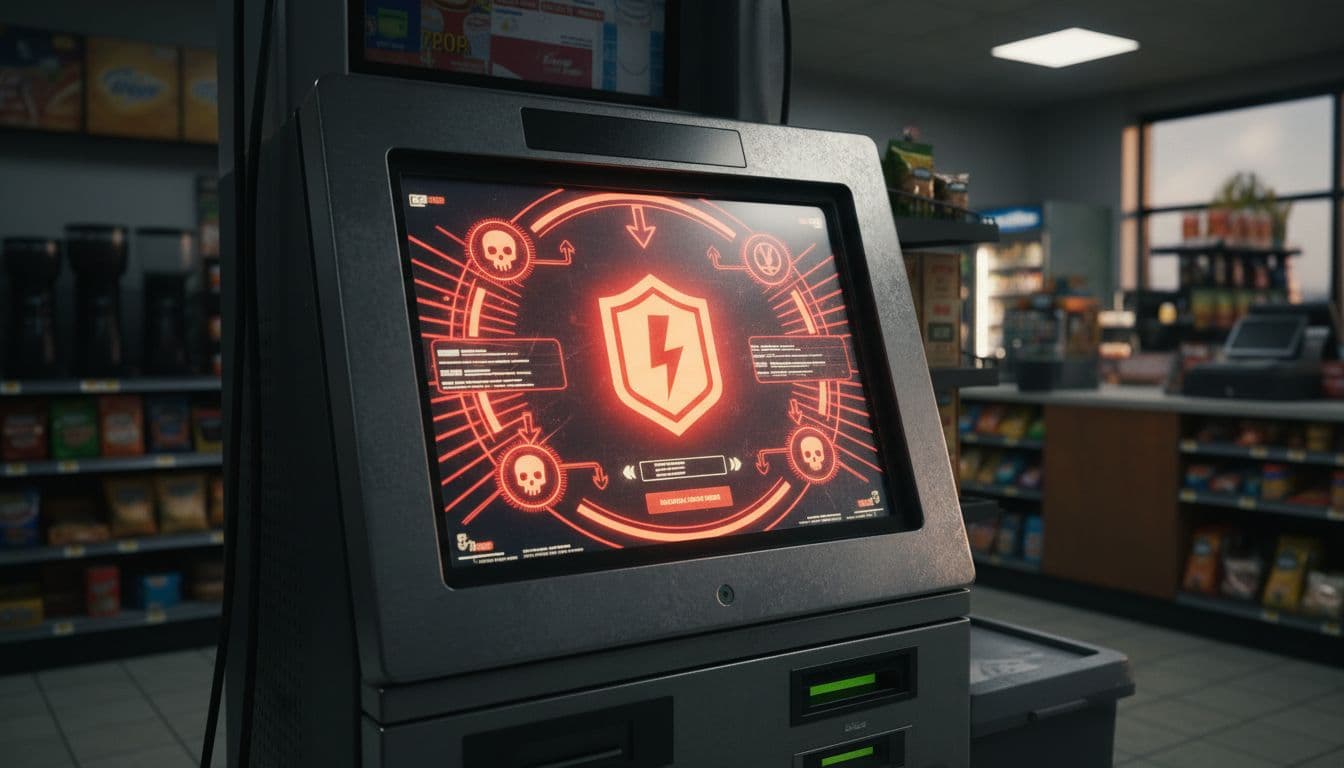
How the Bitcoin ATM Jury Duty Scam Works
According to Clay County Prosecutor Zach Thompson, the scam starts with a simple phone call. The caller pretends to work for the sheriff’s office or another law enforcement agency. They tell the victim there is a warrant for their arrest because they missed jury duty or committed some other serious offense.
The caller then claims the only way to avoid being arrested is to pay a fine immediately. In the past, many scams used money orders or gift cards. Now, scammers are pushing people to use Bitcoin kiosks and other cryptocurrency machines. The victims are ordered to go to a bank, withdraw cash, and then feed that cash into a Bitcoin ATM.
During this process, scammers often warn victims not to talk to anyone about what is going on. They might say, “Do not talk to the bank teller,” or “Do not call the police,” because they know someone else might notice the red flags and try to stop the transaction.
Real Cases From Clay County
One recent case involved a 67-year-old woman from Liberty, Missouri. According to local police, she received a call from someone claiming to be from the sheriff’s office. She was told she had a felony warrant and needed to handle it immediately.

On her way to what she thought was the sheriff’s office, she got another call. This time, the scammer told her to go to the bank, withdraw $9,000 in cash, and keep quiet about why she needed the money. She was then directed to a Bitcoin ATM, where she deposited the cash into a machine that converted it into cryptocurrency and sent it to the scammer’s digital wallet.
After that, the criminals convinced her to take out even more money. They kept her scared and on the phone, making sure she followed every instruction. By the end, she had lost $14,000, with almost no chance of getting it back.
Why Scammers Love Cryptocurrency ATMs
Cryptocurrency ATMs, also called BTMs, look a lot like regular cash machines. People can use them to buy or sell cryptocurrency like Bitcoin using cash or a debit card. Unlike a normal bank account, you do not need a traditional bank relationship to use many of these machines.
For scammers, that is the perfect setup. Transactions are fast, hard to reverse, and difficult to trace. Once the money is turned into cryptocurrency and sent to a scammer’s digital wallet, it is often gone for good.
In the United States, cryptocurrency kiosk fraud reached more than $107 million in 2024, which was a big jump from the year before. Federal officials say many of these victims are older adults, especially people over 60, but young people are increasingly at risk too.
Who Is Getting Targeted?
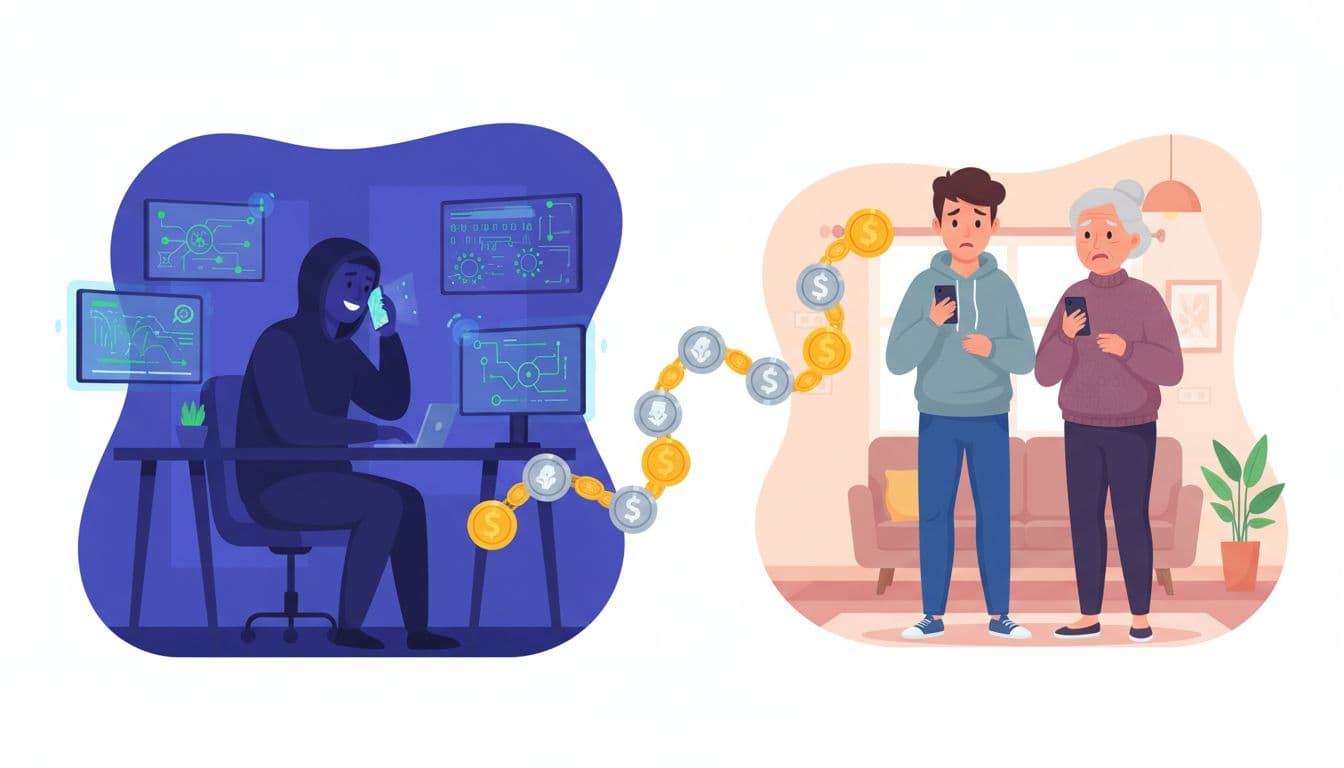
The FBI reports that people older than 60 are still the main victims of cryptocurrency ATM scams. They are often targeted because they may have savings and may be more likely to trust someone who sounds official on the phone.
However, Clay County officials say they are also seeing a rise in younger victims. Students and young adults are more active online and often feel comfortable with digital payments. Scammers use that comfort to trick them into sending money through crypto apps and machines.
How Local Officials Are Responding
Some cities are taking strong steps. For example, St. Paul, Minnesota, has moved to ban cryptocurrency kiosks completely, arguing that the machines are linked to high levels of fraud, especially against seniors and lower income residents.
Clay County is choosing a different approach. Instead of banning the machines, officials are trying to educate the public. The prosecutor’s office has designed warning flyers that they plan to post on or near cryptocurrency ATMs throughout the county. These flyers ask, “Are you being scammed? Beware of cryptocurrency demands!” and explain the basics of the scheme.
Some Bitcoin ATM companies are also trying to fight fraud. They are adding software that flags suspicious transactions or pauses them so users have time to think. But scammers stay creative and keep finding ways around these protections.

How To Protect Yourself From Bitcoin ATM Scams
You can avoid becoming a victim by following a few simple rules:
- Hang up on unexpected calls about warrants or jury duty. Real law enforcement will not demand payment over the phone.
- Never pay fines or fees with cryptocurrency, gift cards, or wire transfers. Government agencies use official and traceable payment methods.
- Talk to someone you trust before sending money. If a caller tells you not to talk to the bank, a friend, or the police, that is a major red flag.
- Slow down. Scammers pressure you to act fast. Take time to check the story before you move any money.
- Call the real agency directly. Look up the phone number for your local court or sheriff’s office and ask if the call was real.
Final Thoughts
Cryptocurrency is not the problem by itself, but scammers are using it to make their crimes harder to trace and easier to hide. In Clay County, that has already led to millions of dollars in losses for everyday people who thought they were doing the right thing.
The best defense is awareness. If you know how the jury duty and arrest warrant scams work, you are far less likely to fall for them. Share this information with your family, especially older relatives and students, and remind them that no real officer or court will ever demand payment through a Bitcoin ATM.
To contact us click Here .